
• Enter your email address to subscribe to this blog and receive notifications of new posts by email.

    Join 241 other subscribers
  • Noshing on

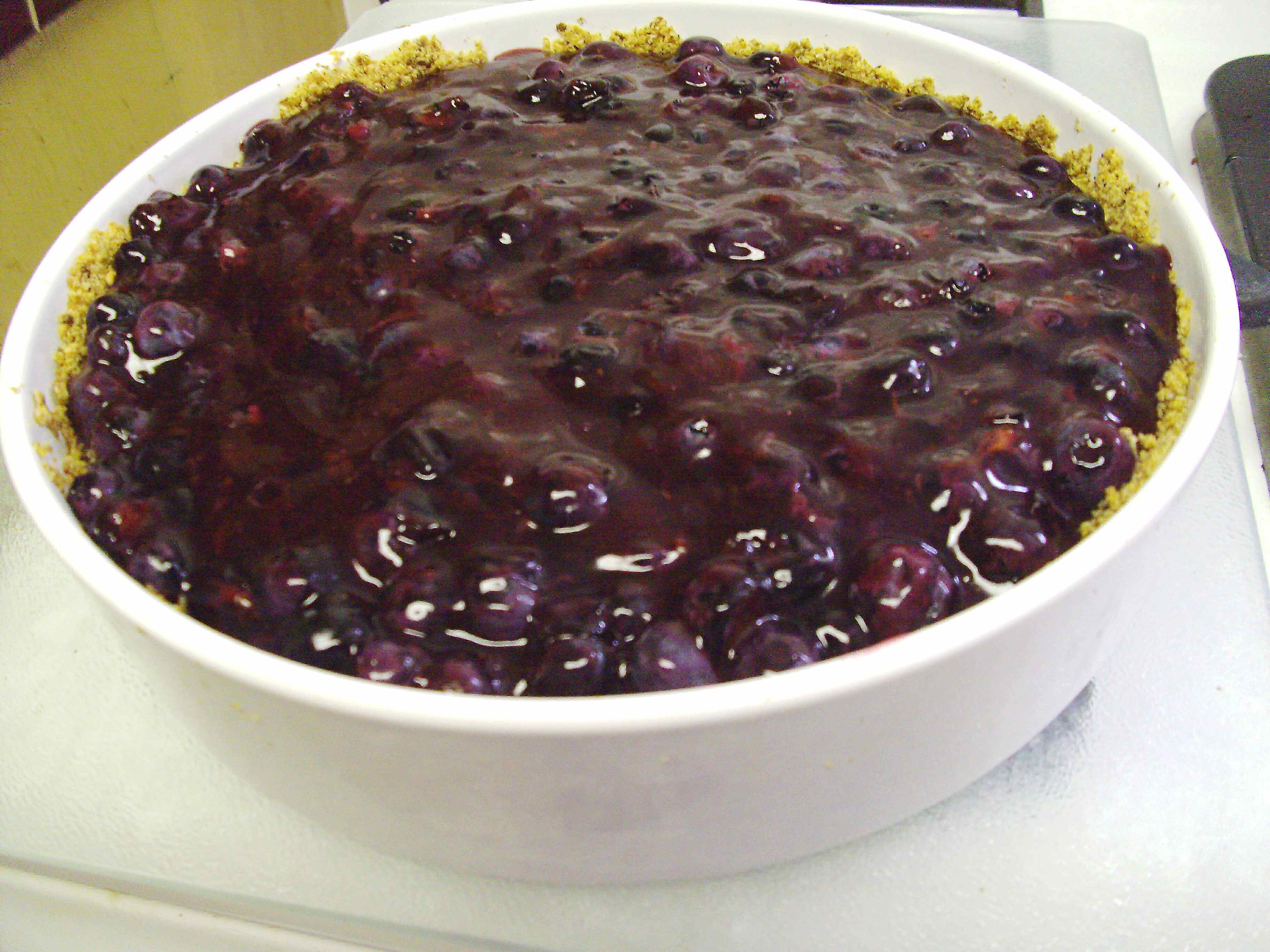
    raw blueberry pie with microwaveable filling and graham cracker crust

    This mostly-raw blueberry pie is a snap to make and very versatile--the filling microwaves in a few minutes, and you don't even have to bake the zippy gingered graham cracker crust--perfect for a hot Fourth of July and all summer long.

  • Recent Posts

  • Contents

  • Archives

  • Now Reading

  • See also my Book Reviews

  • Copyright 2008-2024Slow Food Fast. All writing and images on this blog unless otherwise attributed or set in quotes are the sole property of Slow Food Fast. Please contact DebbieN via the comments form for permissions before reprinting or reproducing any of the material on this blog.

  • ADS AND AFFILIATE LINKS

  • I may post affiliate links to books and movies that I personally review and recommend. Currently I favor Alibris and Vroman's, our terrific and venerable (now past the century mark!) independent bookstore in Pasadena. Or go to your local library--and make sure to support them with actual donations, not just overdue fines (ahem!), because your state probably has cut their budget and hours. Again.

  • In keeping with the disclaimer below, I DO NOT endorse, profit from, or recommend any medications, health treatments, commercial diet plans, supplements or any other such products.

  • DISCLAIMER

  • SlowFoodFast sometimes addresses general public health topics related to nutrition, heart disease, blood pressure, and diabetes. Because this is a blog with a personal point of view, my health and food politics entries often include my opinions on the trends I see, and I try to be as blatant as possible about that. None of these articles should be construed as specific medical advice for an individual case. I do try to keep to findings from well-vetted research sources and large, well-controlled studies, and I try not to sensationalize the science (though if they actually come up with a real cure for Type I diabetes in the next couple of years, I'm gonna be dancing in the streets with a hat that would put Carmen Miranda to shame. Consider yourself warned).

Passover Dessert Challenge: No Eggs!

 Passover-eggless-chocolatealmondtorte-halfsheet

Bear with me, I’m still a little hyper (see below). Three days before the first Passover seder, and I’ve been asked to bring a non-fruit, non-macaroon dessert. With a few caveats.

This is the ultimate, I think: a fresh dessert, preferably deep chocolate, with no dairy (serving at a meat meal), no fake stuff (because I can’t stand it) and obviously for Passover, no chametz (forbidden grains like wheat, barley, oats, etc.) or kitniyot (legumes, corn, rice, peas and green beans, some seeds, nuts and spices, plus some vegetable oils derived from them, like sunflower…). Also, for reasons of the requesting family’s allergies, no pistachios, hazelnuts or cashews, or cinnamon.

Or, and here’s the kicker for Passover desserts–eggs. No eggs! And it’s got to be moist and fabulous, or at least obviously better than the standard choke cake box mix, and prettier than the all-real-but-undecorated apple-almond cake I served a couple of years ago. And it’s got to rise and still be kosher for Passover under Orthodox Union rules. Which I had to look up on line for some of the possibilities I had in mind.

It’s not dread in my heart, surprisingly, but a little tinge of excitement at another chance to mess around and come up with something decent.

I’ve done a few home desserts that weren’t bad and that didn’t contain most of the forbidden items. My first best hope is something as close as possible to my favorite, Sacher torte (because I’m unoriginal and because at least I’ll like it). I’ve been working on this for a while and I thought, I can get by without eggs as long as I have some other way to raise the cake and keep it from turning into a rubber brick.

And eggs aren’t the only way to raise a cake or make a cookie without violating the kosher-for-Passover rules. It turns out that some brands of baking soda, including Arm&Hammer and a number of smaller and store brands, are processed under sufficient supervision so there’s no contamination from cornstarch or grains or the like, and are now considered kosher for Passover under O-U rules–it’s worthwhile looking them up. So is all unflavored bottled soda water, even without a kosher certification mark. That one I remember from my student days, when somebody said you could pour seltzer into matzah ball mix to lighten it.

Another item that turns out to be okay is linseed–aka flax. So if you grind linseed and bring it up with water, you could do a kosher-for-Passover dessert without eggs for the kinds of things flaxmeal works for. Consult a vegan dessert book (aside: a lot of the authors are Jewish! Maybe not so surprising), use matzah cake meal and/or almond meal instead of standard flour, and you might be in like Flynn (or at least like Feldman).

Other key ingredients to check are K-leP (kasher lePesach; kosher for Passover)…

The chocolate, obviously. Elite makes so-so quality but certified pareve kosher for Passover bittersweet bars, and they can definitely be put to work. Hershey’s plain (not Special Dark) non-dutched cocoa powder is accepted by the O-U even with just its regular certification mark. Some cider vinegar is probably certified–but fresh lemon juice or orange juice might work too, in case I can’t find an O-U-labeled version. And unflavored raw almonds, walnuts, pecans and almond meal from Trader Joe’s are also all approved, at least this year. Also white cane sugar and non-iodized salt with a regular year-round O-U certification mark.

Other items:

Plain dried fruits as long as they’re not coated with vegetable oils or the like.

Plain fresh fruits other than raspberries and their kin, which are hard to inspect for tiny bugs among the drupelets (but which the O-U has a whole procedure for inspecting at home to make them okay–it boils down to washing and looking carefully. So much for the mystery…).

Spices are more of a pain–some, like caraway and fennel, are considered kitniyot, even though very similar ones in the same family, like anise, are acceptable. Not that I was going to put any of these in a chocolate cake, mind you, but I like to keep my options open for other, non-chocolate, possibilities. Ground spices need to be certified for Passover, and most of the supermarket store brands aren’t.

Finally there’s the taste/texture issue, the 11th commandment: Thou Shalt Serve No Choke Cake (not even before its time, and thank you so much Paul Masson).

You want something raised with seltzer or baking soda and no eggs, you’re taking your chances on a pretty dry item. Almond meal contributes oil and moisture without making things oily as long as you remember to cut down on oil ingredients to compensate. But depending on how light or springy you want your cake, you may need more matzah cake meal for structure, which really dries things out if you go too far with it. Weighing the matzah meal is better than measuring into a cup because it’s dryer–already baked–so it’s denser than regular flour. You need more liquids if you use matzah meal–hence the usual eggs. Without eggs, you want something that will retain moisture in the cake and still give a bit of structure. Apples or applesauce would be my best bet, substituted for whatever oil, margarine or butter your cake recipe calls for, just slightly lower volumes to avoid making the batter too wet.

Pumpkin I’ve also tried in my callow youth. While it’s fine and occasionally impressive for a non-chocolate dessert and for plenty of savory dishes, something about it suppresses the essence of chocolate. The one time I tried canned pumpkin for fat-free brownies, the texture came out near-perfect, but it mysteriously sucked all the chocolateness out of the air while the brownies were baking. And then there was a serious blank in the chocolate department when I tasted, even though the texture was good and I’d put in a lot of cocoa powder. Life is unfair. And on the other hand apples won’t let you down, and even a little applesauce works beautifully instead of oil both in chocolate box mixes and in from-scratch cakes. Should work for Passover versions too.

Lest you wonder whether it’s possible to do a decent pareve frosting suited to a Sacher Torte Occasion, which–no surprise here–is what I’m aiming for, I’ve just done a test run (Wednesday) on the whole cake recipe I had in mind, thinking I might have to adjust before Friday.

This cake is a cocoa-flavored version of the basic gingerbread (cake, not cookie) recipe from the Silver Palate cookbooks. I’ve used it for honeycake at Rosh Hashanah with good results—even in the microwave. I almost always substitute unsweetened applesauce or grated apples for any oil in standard cake recipes or box mixes.

Here I’m also increasing the baking soda a little to compensate for the lack of an egg and substituting almond meal for most or all of the flour (and not adding molasses or ginger, obviously). From the typical nutrition label, I estimate the almond meal is about fifty percent oil by weight, most of it polyunsaturated fats. You really don’t need any more fat in the cake. It’s not low-cal even so, but the advantage healthwise is that most of the oil is polyunsaturated and monounsaturated, plus the almonds have fiber and protein. Beats adding sticks of butter.

The Silver Palate gingerbread method is pretty classic: you mix the dry ingredients together. Stir in the egg and oil (in most recipes) or in this case just the apple or applesauce and extra baking soda. Then you pour on fresh hot coffee or boiling water and stir quickly to get things just mixed to a batter. A little vinegar or in this case, a squeeze of fresh lemon juice, stirred in at the last minute before pouring into a sheet pan and sticking it in the oven, helps the coffee activate the baking soda.

The pareve, egg-and-butter-free chocolate cake didn’t rise a ton, probably because I included exactly zero matzah cake meal, and just a tiny token bit of potato starch, probably not quite enough to keep the rise. The cocoa powder itself provides a little backbone as it cooks, but probably next time I’ll add either another two or three spoonfuls of potato starch or a single sheet of matzah, crumbled into the coffee grinder and turned into fine grind cake meal.

But even as it was, first time around, this cake came out like you wouldn’t believe. Excessively fudgy cake, insanely good, and the attempt at a completely nondairy ganache without nasty creamer or margarine-type additions went so well I’m going to have to patent it or something.

As I’m sure (and sorry) is apparent, due to the serious cocoa-and-hot-coffee content, plus the elation that it wasn’t a flop, I found myself on a caffeine high and completely unable to shut up about it while driving my kid home from school. She discovered I wasn’t wrong. We both recommend thin (half-inch) slices to avoid shock, caffeine highs, and that feeling afterward like you’ve just eaten Monty Python’s wafer-thin mint. You will be satisfied–a little goes a long way.
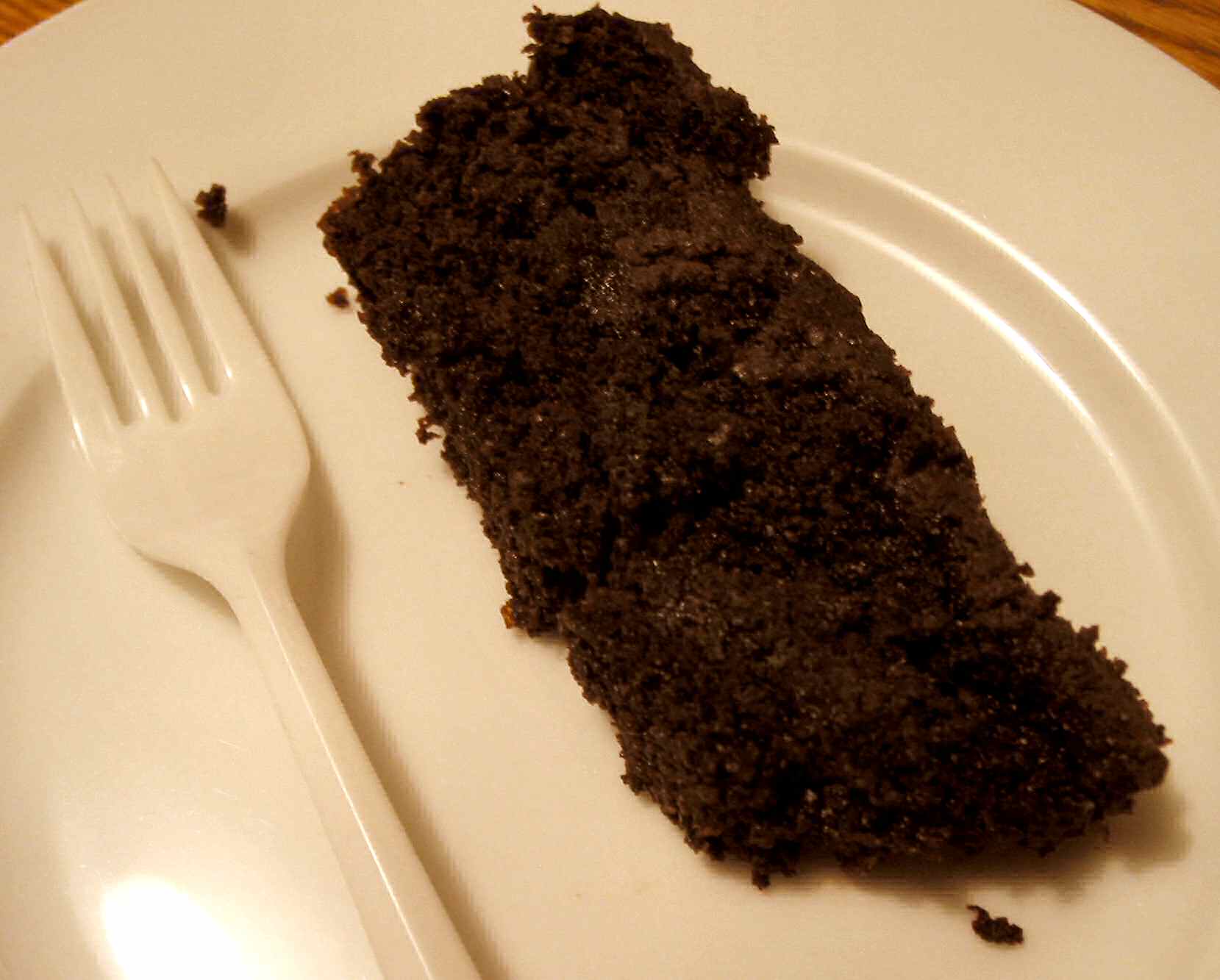
This half-inch slice is seriously enough for a serving. It's that rich.

This half-inch slice is seriously enough for a serving at the seder. It’s that rich.

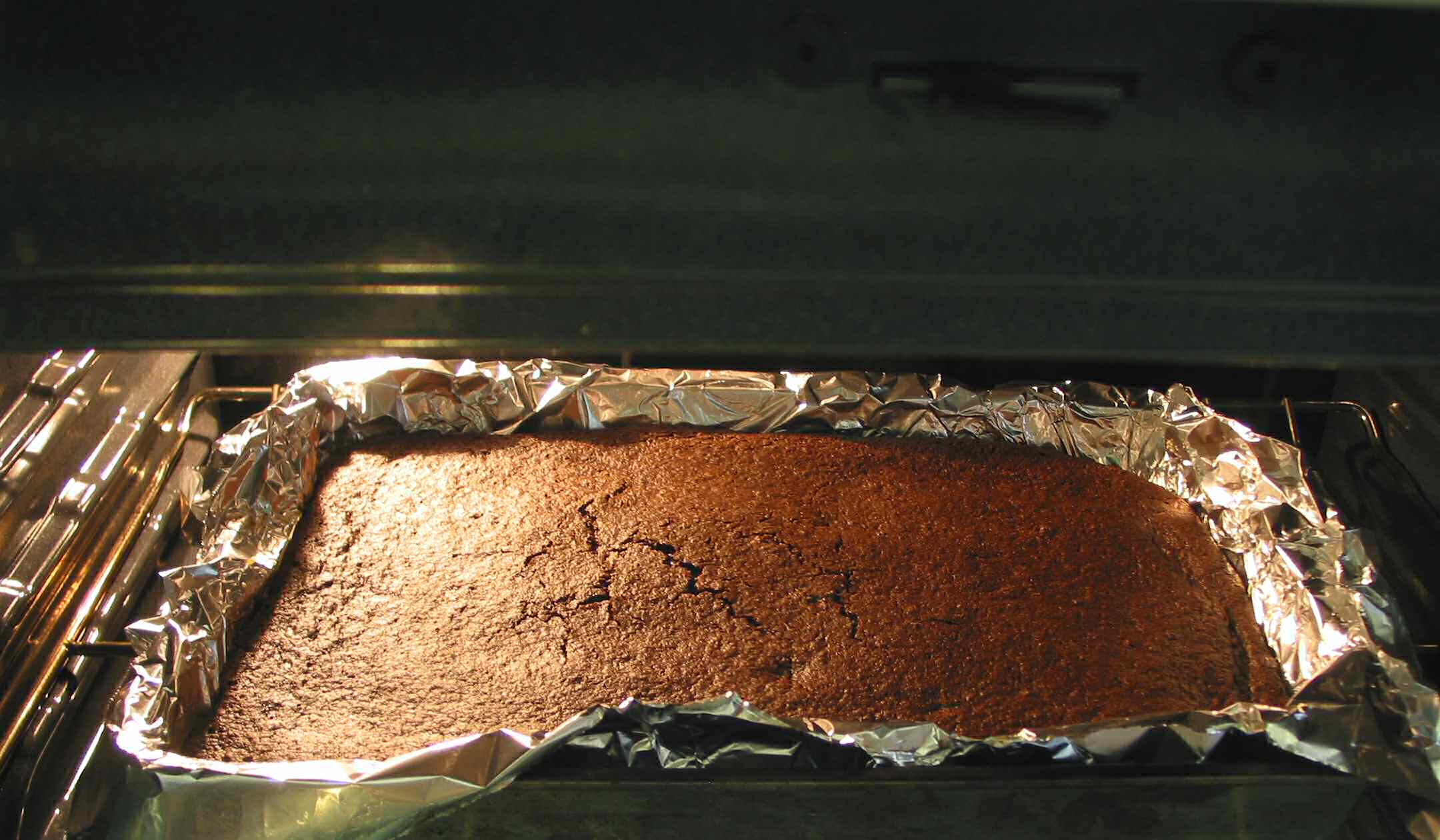
Anyway, this is going to work and it is SIMPLE. And tastes fabulous. Fabulous, very definitely. If you like flourless chocolate cake and ganache, try this at home. Even though, as I say, it has no butter. No eggs. And no crap. And it’s not too slow (though the baking time kind of is; 40-45 minutes because it’s very moist and stays that way after it collapses back down and shows light cracking–see photo at top of post). Continue reading

Maximum Flavor in a Minimal Broth

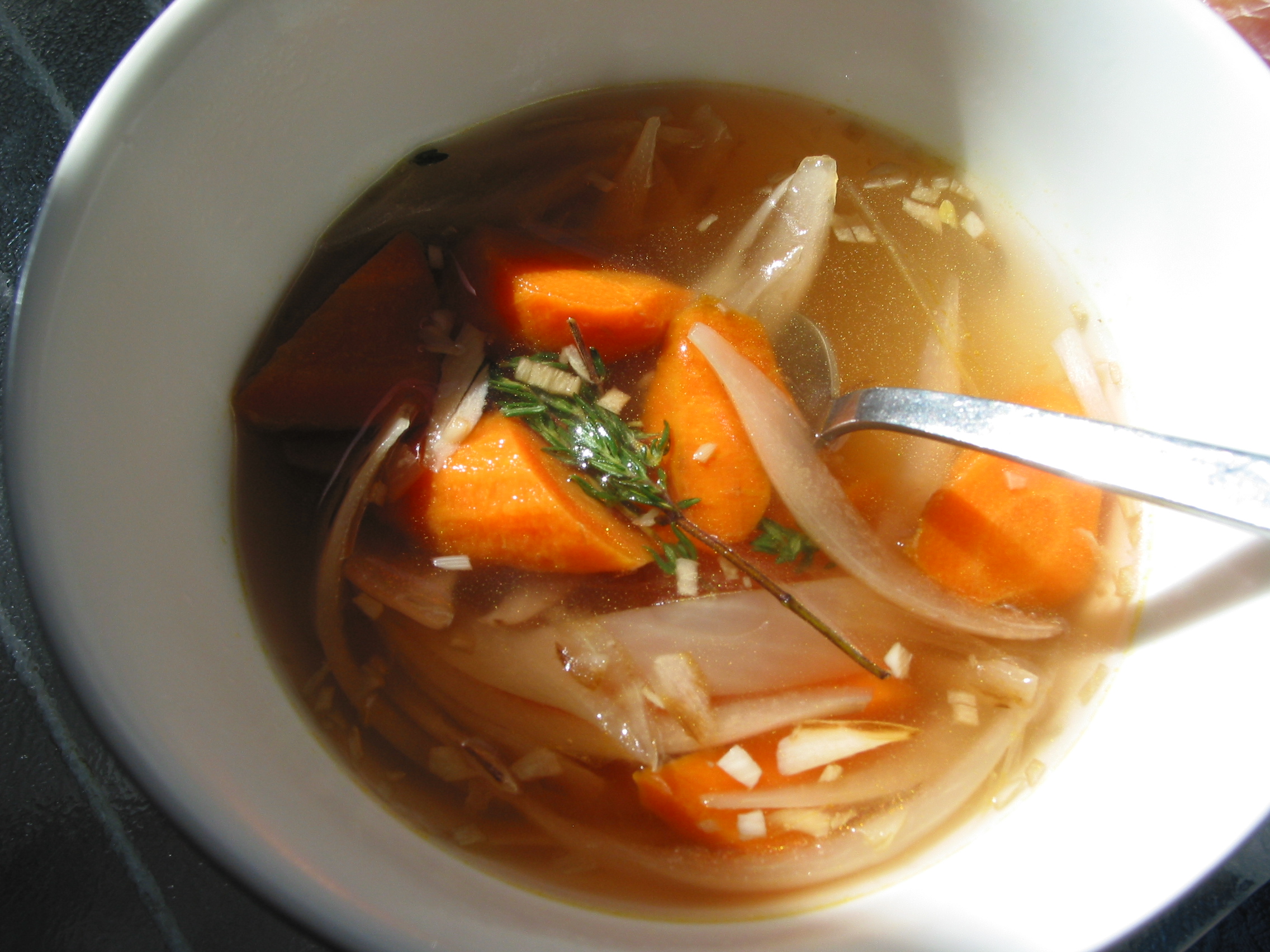
minimal carrot onion soup

My kid had the flu just in time for President’s Day (and both Friday and Monday off from school). How does this happen in a place where it actually hit 90 degrees one day??? How annoying! But her classmates had been catching it right and left all through January and coming back to school still iffy. She and I had both gotten the flu shot a couple of months before, achy arms and all. The prevention rate this year isn’t all that good; only about 23%. And people have naturally been grumbling if or when they catch the flu anyway.

But I’m still pro-vaccine, and here’s why: The minute she woke up with fever, I called and got an appointment with her pediatrician for that morning, no being palmed off on the advice nurse (or the muzak they put you on while waiting half an hour). When you’ve got a diabetic kid with flu, you take a deep breath, channel your Brooklyn-raised mother and elbow your way through to get seen before the kid has a chance to develop nausea and vomiting, which makes it trickier to manage food, insulin and so on safely. I mean, we’ve done it, it’s doable, and we’ll probably have to do it again at some point, but it’s a total pain.

Luckily for me, the pediatrician is also from Brooklyn and doesn’t take offense. She and the nurses had been run off their feet, and yet she was glad we got our act together early enough for Tamiflu to do some good, because the poor kid just ahead of us at the clinic was wobbling and actually fainted just as he got into the exam room. Five days his family waited and he had serious fluid in his lungs. So I stopped feeling selfish and stupid for bringing my kid in when she was mostly okay except for a fever. And I hope the other kid’s better by now.

So I wanted to pass this on: the doctor told us the best-bet recommendation is still to get a flu shot. Why? Because even though you might still catch flu, the severe hospital-level cases this year with pneumonia and worse, at least in Southern California, are turning out to be almost all unvaccinated patients. That’s a result you might not have expected. You need that insider perspective to see there’s a more serious benefit hidden behind the obvious numbers. And the serious cases are pretty bad. So if you haven’t gotten a flu shot yet, go get one now.

And my kid did indeed get better by the time school started up again, and my husband and I managed not to catch the flu from her, which was good, because with a snarky bored teen home on a 4-day weekend, the last thing either of us needed was to catch it from her just when she was finally back at school.

But we needed soup in a big way. And with a sick kid in the house I had less time to go shopping. I imagine (because we had the fluke 90-degree day, I have to imagine it or else talk to my poor mom in Boston) that people caught in the big snows back east also have these problems of limited shopping mobility, patience and scant last-ditch vegetabalia in the house. What did we have left that was soup-worthy?

Well…there’s always the can of tomato paste for nearly instant cream-of-tomato, which my daughter likes when she’s sick. The real cream-of-tomato, made with actual tomatoes, is more voluptuous but takes 45 minutes on the stove and involves baking soda to tame the acidity before you add cream, plus the use of a stick blender which I aspire to but don’t yet own. Tomato paste doesn’t have much acidity to start with, so you could just skip the baking soda and heat with milk instead of water if you wanted to. We generally leave milk and cream out and add a dash of vinegar to restore some semblance of tomato flavor.

–  –  –

Tomato Soup in the Microwave (AKA, “bonus” recipe for what it’s worth)

  • 1/2 can tomato paste (no recipe EVER specifies a whole can, as far as I can tell…must be some kind of culinary superstition, much like “the Scottish play”…so just scoop the rest into a ziplock baggie, squeeze the air out, and throw it in the freezer for next time…)
  • 1-2 c. water (enough to bring it up to the thickness you like best for soup)
  • small splash of vinegar, any kind
  • small clove of garlic, minced, mashed or grated
  • pinch of cumin or thyme, optional
  • salt to taste after cooking
  • splash of milk or half-and-half, if you like it

In a microwaveable bowl, use a whisk or fork to mix the water gradually into the tomato paste until it reaches the thick-but-not-too-thick consistency you prefer for cream-of-tomato soup. Add the garlic, vinegar, and cumin or thyme, cover the bowl lightly and microwave 2-3 minutes or until heated through. If you want to add a little milk or half-and-half afterward, you probably could, just don’t add it and then heat or it’ll curdle from the vinegar (or leave the vinegar out to start with if you want it bland).

–  –  –

But down to business with the “not-chicken” vegetable broth. I’ve already gone about as far as I can go with bok choy and shiitake broth, up to and including hot-and-sour soup. Plus we didn’t actually have any bok choy left. Feh.

So the usual carrot-onion-celery not-chicken broth should have been next…but no celery either. Double feh. And no fresh dill–dry we had, but you know fresh makes a world of improvement. So it wasn’t looking all that good in the clear soup department this week. And I needed some for me, even though I only had a head cold and a bad temper and a sassy, feverish bored teen at home watching cartoons.

(BTW: if you luck out with a fresh bunch of dill that’s too big to use up quickly, wash the rest well, twist off the stem ends, stuff the dill into a ziplock sandwich bag with the air squeezed out and freeze it–it’ll stay good for a couple of months minimum, and you can just quickly crumble a frozen bit into whatever dish you want, then toss the bag back in the freezer. Or in Boston, just leave it out on the porch and rediscover it sometime in April.)

Normally I’d say onion and carrots alone aren’t enough for a soup; you have to have something else in there or when you add garlic it’ll just be about the garlic. Which is fine for me, of course, because my motto still seems to be, “If there’s no garlic, is it really food?”

True, the Italians have acqua pazza (“crazy water”), which is basically garlic broth. I think both Spain and France have similar offerings. But normal people might want something a little more complex or at least balanced.

My usual MO for vegetable soup and bok choy broth is just to microwave the base vegetables to wilt them and then bring them up with a bit of water, add garlic, herbs, and any other appropriate flavorings, and heat again. Pretty basic, and very quick–5 minutes, maybe 10 for a couple of quarts that will last me a week. But with such a limited vegetable base as onion and carrot, I was going to need something more.

So I scrounged again in the fridge. Carrots and a red onion…and a clove of garlic. A sprig of thyme–well. A little leftover white wine. Yes. OK.

It would all be kind of blah and pale, though, if I just dumped it in a bowl with some water and hit the nuke button. When you have so few main ingredients and they’re both boring when simply boiled or nuked, you have to strategize a little to get the best out of them quickly. Continue reading

Purim: Poppyseed filling with a Persian-style twist

poppyseed filling with orange blossom water

Tonight is Purim, when we dress up in costume, make fun of dire villains and dull kings, cheer modest heroes and most of all praise a heroic woman, Esther, who risked everything to change the king’s addled mind and spare the Jews of the Persian empire.

In previous years, I’ve done the Hamantaschen thing–low carb, medium carb, all homemade, no pasty white horrors, praise of Joan Nathan’s basic recipe from her first cookbook…lots of non-Dayglo, non-candy fillings from figs, prunes, apricots, and so on…

Today I’m probably not going to get a chance to bake anything or even cook very much, because I decided to take a leaf out of Esther’s Megillah this year and read part of the fifth chapter, splitting it with my (much-wiser-than-Ahashverosh) husband. So about three days ago I decided I was going to go for it and learn the Purim cantillation (trope marks for chanting) system. Which takes more nerve than usual, because it’s tricky and somewhat deceptive, like the entire story. And it’s been almost two years, since my daughter’s bat mitzvah, since I’ve even chanted Torah. And, like I said, three days ago. Not brilliant.

Luckily there’s Youtube. And a number of synagogues post recordings by their hazzanim (cantors, male and female) for the cantillation marks and for the readings as a whole. Only there are so many versions for Purim! It’s a late holiday in our history, after a lot of us were living in the Persian empire, and the different melodies reflect our already dispersed community. One interesting version was by a Moroccan hazzan–his system actually had a couple of trope mark tunes that are nearly the same as ours for the regular weekly Torah and Haftarah readings. Maybe those are the oldest ones that everyone has more or less in common? Cool!

So–our daughter is chanting a few verses with her youth group for Chapter 7 tonight, and the director is bringing kosher Persian food from a restaurant on the West Side of LA, where the largest Iranian (and Iranian Jewish) community outside of Iran resides. I wish I were a kid tonight, for sure.

Still, in honor of the occasion and the roots, I did get around to making poppyseed filling for the hamantaschen I’ll make tomorrow.

I went to my local Armenian greengrocer yesterday morning for vegetables and picked up a new bag of poppyseeds, hoping they were fresh, really fresh enough to use. My previous latest bag in the freezer has puffed up suspiciously with air–suggests it’s no good and starting to release gases even though I didn’t open it before freezing, dammit.

I tasted the new poppyseeds raw–okay. But rancid sometimes only shows up when you toast them, so I poured a spoonful in a metal pan and swirled them around on the stove until the aroma came up. Then I test tasted those once they were cool enough. Still good, still lucky.

Poppyseed filling is quite an elaborate affair in my trusty 1984 spiralbound edition of Joan Nathan’s The Jewish Holiday Kitchen. Figs, apricot jam, brandy, egg whites? Oy. Ten or more ingredients. A production, and kind of expensive considering how many younger people don’t like poppyseed filling. Including my daughter, I’m sad to report (see below)…

But I do, which is the important thing, and my supermarket no longer carries those cans of Solo in the Jewish Foods section. So I decided it was fine to simplify. And while I was at it, to add a hidden Persian-style element or so for the occasion of Purim.

So this filling looks black…but holds the essence of early spring and orange blossom within it. And if anyone doubts that it’s completely effective in its ability to transform, at least temporarily, I should add that my daughter, who insisted she tells me every year she hates poppyseed filling with a hot hate, and that I never listen, took a tiny bite and looked surprised and pleased…at least for about five seconds, until the bitter toastiness of the poppyseeds came through like a bagel at rush hour, poor kid, and she pulled a Tom Hanks (from Big, the caviar scene). She even did the wiping-the-tongue-desperately-with-a-napkin bit. And no, I’m not sure I should be telling you this. Five seconds delay, though. From her, I’m gonna have to count that as a win. And it was pretty funny, another point to Purim.

Poppyseed Filling With a Persian Twist

  • 6 oz (172 g; it was the size of bag they sold) very fresh poppyseeds
  • 6 oz. sugar (again, 172 g, but anyway, the same amount as the poppyseeds)
  • 1/4 c (60 ml) water
  • juice of a lemon
  • orange part of the rind of an (organic, washed) orange or tangerine (in this case), grated or if that’s too much of a pain, shredded with a knife and ground in a coffee grinder or food processor with an additional spoonful or so of sugar
  • pinch each of ground cloves and cardamom (if you have it)
  • very tiny shake or grinding or pinch of nutmeg
  • up to another 1/2 c. water (see instructions and PS note at the bottom)
  • 1/2 t. vanilla
  • 1 t. orange blossom water (yes, this was my idea of the Persian twist, and it’s good, though probably it should have been rosewater for authenticity–I just wasn’t ready for that)

Taste-test the poppyseeds raw, then toast a spoonful in a dry steel saucepan on the stovetop until you start to smell their aroma. Cool and taste-test again before using to make sure there’s no funky, off, or rancid flavor to them.

ground poppyseeds

Then grind them a few pulses in a coffee grinder (in two batches) or in a food processor or blender.

In the steel saucepan, combine the sugar and water with a squeeze of lemon and let the sugar wet down all the way before turning on the burner to medium. Bring just to a slow simmer without stirring–the slurry should start to go clear as the sugar dissolves.

poppyseeds cooking in syrup

Add the ground poppyseeds and stir gently. It should be a thick dark-gray grainy mass. Keep the pot on a low heat so it bubbles gently but doesn’t spit for about 5 minutes, stirring occasionally but not hard or you might cause the syrup to seize. As it cooks add the lemon juice, spices, grated orange or tangerine rind and stir in, then [see the PS below] test-taste–if the seeds are still kind of hard, add 1/4 c. water, let simmer with a lid partway on for a few minutes, stir and do it again here until the seeds soften a bit and the raw-poppy edge is off. Add the vanilla and just before taking it off the heat, stir in the orange blossom water. Take a tiny bit and let it cool enough to taste and adjust any flavorings, then take off the heat and pour into a container to cool to room temperature. It will thicken further, especially after you put it in the fridge.

B’te’avon, bon appétit, and Chag HaPurim Same’ach!

PS…AKA, next-day “Do-over,” kind of. Because I wouldn’t want anyone to try this, be happy for a few minutes, and then kind of hate the result when they took a second taste. If it needs a fix, it needs a fix, and I felt this did…

The next day I took it out of the fridge for a taste test before deciding if I really wanted to bake…it was pretty grainy and the top was crusted sugar. I stirred it and realized the seeds were pretty hard still and kind of bitter–not rancid, just really raw-poppyseed. Very strong. I think I didn’t have enough liquid in the recipe compared with Joan Nathan’s, even without all the jams and things. She had “juice of an orange” in there somewhere next to the juice of a lemon, and I’d assumed it was mostly for flavor, but probably the extra liquid helped cook the poppyseeds too (hence, the “up to another 1/2 c. water” bit I’ve just added to the ingredients list).

Never one to look away from a challenge (oh yeah? I hear someone muttering sarcastically in the background)…I decided to reheat the filling in the microwave with some extra water and a lid for a minute or so and see if that would induce the poppy seeds to absorb some of the water and soften up a bit. I stirred in about 1/4 c. of water, which immediately went cloudy-white, kept stirring, and the filling thinned almost to pancake batter consistency. Put a lid on and heated 2-3 minutes in the microwave, let sit a few minutes to absorb. It was better as well as thicker, and a little of the poppyseed bitter edge was out as well. So I did it again with another 1/4 c. water, heated 2 minutes or so, let it sit again and it thickened back up but the seeds were definitely softer and a little more brown than black (although I admit it’s pretty hard to tell).

In any case, I’d do this the first time around while it’s still cooking on the stovetop. Add the extra water in bits after you’ve added the poppyseeds and spices, and before adding vanilla or orange blossom water (so you don’t evaporate them off). Expect to cook it down from about pancake batter looseness until it becomes very thick, a grainy paste. Then taste a little and feel to see if the seeds have softened and mellowed in flavor–add more water and cook longer or else do the microwave thing instead if you’re impatient, but I think it might only take maybe as much as 15-20 minutes on the stove rather than the 5 minutes I’d expected.

Safety: The only thing about heating syrups in the microwave (this is basically a syrup with seeds) is that they can get very, very hot. So 1. keep an eye on it while it’s heating and be ready to stop the microwave if it starts to boil over (this didn’t, either time, but you just don’t know) and 2. don’t use a plastic microwave container because the mixture could melt or scar plastics. Proper microwaveable ceramic or old-style borosilicate pyrex is ok if you still have some from 20 years ago or can find it in Europe and tote it home. (NOTE: “new Pyrex” that clanks and is made outside the US is made of soda lime glass and is not very heat-stable–see right sidebar warning).


Microwave Tricks: Rapid Red Cabbage

microwave sweet and sour braised red cabbage

When I was almost twelve, the year of All the President’s Men (go rent or borrow it from the library if you’ve never seen it), a classmate of mine came back from the weekend raving about a new restaurant his parents had taken him to.

Now, almost no one in my 7th grade math class, particularly not boys, either knew about or talked much about food above the pizza and burger level.

My friend’s family had spent the previous year in Italy–you could tell whenever he grumbled about real soccer with strategy vs. the weak substitute they were teaching us in PE that he was sorry they’d come back. Clearly it wasn’t the only thing he missed–this was the first “real” restaurant he’d been to in the US, and it was way out in the countryside.

The Bavarian Chef (which after 40 years is still open in Madison, VA, and now in Fredericksburg as well, I’m happy to see), had a menu like no other in the area: fondue, a magic word I’d never heard before and which my friend had trouble describing. One fondue with Emmenthal-type cheese for cubes of toasted bread, the other with a red sauce (tomato? redcurrant?) for spicy meatballs. Veal or maybe chicken Cordon Bleu (their current menu still has veal). The side dishes were distinctive as well, particularly the sweet and sour red cabbage…it was gourmet. European gourmet, the real kind, and possibly the first upscale restaurant in our part of Virginia.

In any case, my friend was enthusiastic enough about this place that (and I don’t remember this bit at all) I came home and said something to my parents, who were friends with his parents. The next thing you know, my folks schlepped me and my younger brother and sister out of town–half an hour’s drive and  into the next county–to try it out for my birthday. And my friend was right about all of it.

The cheese fondue was a completely new experience and a lot of fun. So was a glowing magenta side dish of sweet-and-sour red cabbage–it would have been fun for the color alone. Although that has not held true for me and beets, so maybe I shouldn’t say so. But luckily it, unlike beets, was  delicious. And so different from anything else I’d ever eaten that it impressed me even more than the chicken (or veal) with the ham and cheese in the middle, and I can’t remember anything at all about dessert.

Sweet and sour red cabbage, when you think about it, is completely contrary to American standard tastes, even those of 40 years ago when people still ate vegetables and cooked most dinners at home. If you had to describe it to someone at school–what would you even say? The ingredients–and the flavors–are pretty simple individually but surprising together: red cabbage, vinegar, sugar, cloves, salt, maybe black pepper. Maybe a bit of apple or onion in some versions. How could that go together? But it does, and I’ve loved it ever since.

And yet I never ever make it at home, because it takes up to 2 hours of simmering on the stovetop, depending on the recipe you have. The one time I made it, back in my 20s, when I was trying to recreate the experience, the whole apartment smelled really, really sulfurous. It reeked. Even though the cabbage did come out ok.

Too bad I didn’t even own a microwave until my mid-30s. But I’ve been rethinking it since last week, when I saw a picture of it in a Mario Batali cookbook from about 10 years ago. The combination of a German-style dish in an Italian cookbook reminded me of the whole prealgebra food debate and my friend’s unprecedented idea that good food was worth traveling for.

But you don’t have to travel far for this dish, and you certainly don’t have to spend 2-3 hours on it. There’s got to be a way, I decided (as usual). How hard could it be to microwave it?

Well,  it worked almost perfectly, at least as a test case: Continue reading

A salad in winter: counterintuitive comfort food

box of winter salad

If you skip the lettuce and choose more robust vegetables, you can make a big box of salad in minutes and keep it crisp several days in the fridge.

It’s gotten cold here. Ok, so no one else is pitying us; we had 80-plus degree weather only last week, but now there’s a very dry, sunny cold spell setting in, it’s in the 50s daytime, 40s at night, and Southern California doesn’t do insulation that well. Or ski jackets. Or wool.

On the upside, it’s been cold enough so that I can run the oven and bake–a rarity in Pasadena this year. [OK again: prepare for a couple of digressions from the main topic]

I made a big round spanakopita for a Chanukah party, quick pizzas for my daughter and her friends and calzones for me and my husband, rosemary and sesame bread, and rye bread–which is still in the attempt stage; I didn’t have a properly developed sour and wasn’t scrupulous about weighing out and getting the hydration and gluten ratios right and all that the first time around, and it collapsed in the oven…

I’m determined to get the sour and the rise textures right, so now I’m following the Inside the Jewish Bakery instructions more closely, having met and been impressed by one of the authors. It’s a matter of some urgency: my grandmothers are no longer alive to schlep good deli or bread out here on a visit, Trader Joe’s has broken ties with the really good bakery that made serious “pain miche” half-rounds that tasted like kornbroyt, none of the commercial rye breads in SoCal (or most of the country) are anything more than tanned white bread, and I’m desperate for the real thing–tough, chewy, tangy, caraway-laden, with a serious crust. Before my genes start going beige and I start deciding Bing Crosby was a really good singer.

[True unexpected fact here: a church choir director I know says that because of all the practice sessions, she and all her colleagues get serious carol fatigue by about two weeks before Christmas every year. I thought it was just me avoiding the mall, but no.]

In the meantime, I’ve been thinking about comfort food, because winter cold brings on the desire for heavier dishes–stews, starches, cheeses, meat and potatoes, and more starches, and the winter holidays bring their own calorie-laden version of cheer to the table with abundant puff pastry, eggnog, latkes (potato pancakes), sufganiot (jelly doughnuts), cookies, fruitcake, and all the rest of it.

Not too many people think about salad as a comfort food this time of year. Potato salad, maybe.

And yet…it’s really not very comfortable to find you’ve gained five or ten pounds in a month when you didn’t mean to, and New Year’s is coming with an actual dress-up-like-a-grownup-with-a-life party invitation. If I’ve managed not to succumb to the excess so far this year, it’s only because I’ve been cautious-to-paranoid about eating latkes and sufganiot last week and even my typical penchant for cheese and dark chocolate (not together!) has me thinking twice. I don’t know about you, but I can’t afford to regain the weight I lost last year–even though it was “only” ten pounds, it was hard enough, and like many people, I could use another ten down before spring without having to work too hard.

So salad is what I have in mind at the moment. Yes, there will also be stew–this week, spicy vegetarian eggplant and chickpea stew, because I made a vat of it and stuck it in the fridge. Very hearty, filling, warming, and all that winter-holiday-recipe-talk, yet not very devastating diet-wise, and doesn’t make you feel like you need another nap pronto. Plus once it’s made, it’s really fast to reheat in the microwave. As I discovered yesterday, a mug (nuked less than 2 minutes and eaten on the run) can power me through a rushed non-cook evening–something I don’t do often or well–of ferrying my kid to the movies at the mall with her friends. During the very unpleasant after-Christmas sales season. What can I say–when put to the test, it was faster than fast food and twice as effective.

If only salad were like that [finally back on topic]. I’m not generally a cook-for-the-month kind of person, but it seems to me that if a restaurant salad bar can get away with making blah bulk salads that sit out for hours, surely I can do a bulk salad that looks and tastes lively and stores nicely for a couple of days in the fridge without going bad. Chop once, eat twice, right? Continue reading

The “other” moussaka–eggplant and chickpea stew

It’s been a fuller month than I expected, with a lot of travel and the unlooked-for complications of Thanksgiving and Chanukah falling on the same week. Supposedly we don’t get to do that again for another 77,000 years or so.

Most of the food features about the “Thanksgivukkah” mashup this year have been bemused, amused, and imaginative only in the sense of suggesting (always) latkes and sufganiyot (doughnuts) for the Thanksgiving menu. Not in replacement of any other starches or desserts, you understand. They mean in addition to. Forgive me if I can’t dig it, but I don’t think either holiday really benefits from the “double your starches, double your fun” idea.

We had a great long weekend up with my in-laws and family in San Jose; and what was on the table? A pretty decent meal by any standards, traditional or California modern.

Thanksgiving 2013-Northern California style

At my in-laws’, 5 minutes before showtime. A lot more green on this table than I remember as a kid. It could only be an improvement, and believe it or not, most of the broccoli got snapped up with the fabulous mustard garlic dressing (not yet on the table)

Turkey (kosher, and cooked by accident upside down because my in-laws stuck it in three entire shopping bags and couldn’t tell which end was up–but it came out better than most of their other attempts, so they’re doing it again next year on purpose–I highly recommend it). A little stuffing and mashed potatoes and gravy for those who insisted, which wasn’t us; cranberry orange sauce, a stellar Georgia pecan pie among the desserts. But the rest of it was California-conscious; farro salad with chestnuts and mushrooms, a roasted red-squash-and-onion platter with whole cloves of roasted garlic strewn around, a big green spinach and fennel salad with endive and pomegranate seeds, and my contribution, an impressively large platter of very green, just-steamed broccoli with a spicy mustard garlic dressing that, and I may say so, rocked the Casbah and provided the necessary Jewish influence.

Not just because of the olive oil-at-Chanukah factor–which would have been enough for me and was plenty symbolic–but for the balance of a big blob of sharp spicy brown mustard with a big fat clove of garlic. Plus red wine vinegar, olive oil, and a little white wine. . . whisk and taste, whisk and taste. When it’s just sharp enough, still thick but can be drizzled, tastes good and has just the right degree of excessive garlic without going to Gilroy (which, btw, is only about half an hour outside of San Jose and holds a surprisingly popular garlic festival every summer), you know it’s done.

The broccoli itself was a little undercooked for me but others insisted it had to be still crunchy to avoid killing the little green vitamins–a new trend in Califoodian philosophy, at least northern Califoodia. It was in the San Jose Mercury News that week or something. But the garlic mustard dressing made up for all that nutritional selfrighteousness and helped the turkey no end as well. Cranberries are well and good and I love them, but they’re no substitute. I maintain [talmudically, in question form]: if there’s no garlic, is it really food?

But with a week of too much food and travel and lectures on nutritional trendiness aside, I find myself thinking, do I really need to be thinking so much about food? Southern California makes it easy to eat well with very little effort–even with very little money, as long as you shop at the local Armenian or Latino markets for vegetables and stick to the unbranded or store-brand and whole foods only.

However…although it was about 85 degrees out when we came home to Pasadena, the temps quickly dropped and have been in the 50s all week, with and without drizzle (yes, you can pity us sarcastically if you want to. They don’t sell coats of any worth better than a sweatshirt here, so to us it’s cold). I realized it was time for a stew. With, obviously, garlic.

Most people think of moussaka as the Greek eggplant-lamb casserole with béchamel topping. But a much simpler vegetarian eggplant stew with chickpeas, onion and tomatoes is also called moussaka (also found on the web as “musakk’ah”). It stems from Lebanon and is popular throughout the Middle East. Continue reading

Rugelach and the Chanukah Fairy

Doesn’t that sound like the perfect title for an equal-opportunity holiday-themed kiddie book? Too bad my daughter’s too old for it now, and so are my nephews. Plus no one under 30 knows how to pronounce rugelach anymore. The “ch” always makes for Adam Sandler jokes because it’s so obviously Hard to Pronounce and even more obviously Not English–you use your throat to talk? Gross joke alert! The young and self-conscious have even taken to respelling Chanukah Hanukkah, just to avoid getting laughed at by their friends. Or their parents.

You may be asking what on earth rugelach have to do with Chanukah–and I’m a little late discoursing about Chanukah this week, since it just ended. However, let me warn you, they’re entirely relevant to the holiday treats vs. self-control dilemma.

Rugelach rolls slashed, baked and ready to be cut apart

Forming long rolls, slashing them partway before baking and then slicing them after is a quicker and easier way to form rugelach, especially with a very soft, delicate and hard-to-handle dough. It also lets the dough bake into crisp layers without letting the jam leak out. These two rolls are half the batch.

Fresh cheese (cream cheese, farmer’s or pot cheese) and sour cream are symbolic of Chanukah just as much as frying latkes or sufganiyot (doughnuts) in olive oil. During the war with the Assyrian Greeks in ca. 165 BCE that led to the rededication of the Temple (the event that sparked Chanukah), a Jewish woman named Judith invited the Assyrian Greek general Holofernes into her tent for what he thought was dinner and a movie–and she served him rich cheesecake (sometimes the story says “cheese pancakes”–maybe blintzes? who knows) to make him thirsty and then offered him a lot of undiluted wine. After that, the tryptophan got to him as she’d hoped (they didn’t have turkey back then) and he fell asleep. She chopped off his head (possibly to save the Jews, probably to stop the snoring) and Famous Western Painters from Rubens to Klimt have been painting her portrait ever since.

Puts another spin on the supposed tameness of homestyle baking, don’t it? Also serves as a warning on the more-is-more approach to pigging out. But old-style rugelach are designed to prevent both tameness and pigging out.

Now rugelach–the real thing–are what Pop Tarts never aspired to be (see Jerry Seinfeld’s Pop Tart joke in development at the New York Times online). That is, rugelach are self-limiting (an anti-commercial value) not because there are only two in the package but because they are serious pastry and taste like it.

The real thing is rich and flavorful enough that a few bites, one or two rugelach, are plenty even though they’re small. And before you ask why, it’s the use of cream cheese in the dough; the  tang makes the flavor seem a lot richer with a little less fat than an all-butter pastry dough. And it makes the dietary badness self-limiting: you really know when you’ve had enough.

One or two–delightful, blissful, they don’t do it like this anymore, it’s really Old School, my grandmother used to make these, how do you get them so flaky? Three–these are delicious, these are so evil, you’ve got to try the chocolate apricot one, I’ve already had so many! Four–klunk, groan (head hits knees in queasy stupor). It never fails.

Despite the Americanization and factory production of rugelach (even Starbucks sells a tame untangy version of them occasionally, or they used to), rugelach are a Jewish bakery specialty with a very simple dough that gives unbelievably rich, flaky, almost strudel-like results if you do it right. And luckily for me, it’s easy to do right. But it’s still too dangerous to do often.

And yet I’ve found myself making several batches this “holiday season”–one for my daughter’s piano recital, using the classic (and palming off the leftovers on the hosts so I wouldn’t have them at home), one for an experimental “lite” version that almost, but not quite, worked. It had flake, it lacked character. Sort of like the bland Americanized versions. What can I tell you? The lack of tang can’t be made up with salt and sugar–the tang is really what does it, which is why I went back to the classic and won’t revisit it again until next year.

…Although a woman in my congregation says she has a recipe that uses cottage cheese instead of cream cheese and is really good, I am choosing not to believe her.

Note on the dietary badness factor: If you go with either of these doughs and the fillings as directed in the recipe (i.e., you don’t double the sugar or use very sugary jam), a single rugelach comes out with about 6 grams total fat and 6 grams carbohydrate, about 65 calories, and about 20 mg. sodium. The degree of saturated fat depends on which recipe you use.

Classic Rugelach Dough (makes 44-48)

The classic recipe for the dough is:

  • 2 sticks (8 oz., 1/2 lb.) unsalted butter
  • an 8 oz package cream cheese
  • 2 c. flour

So basically equal and large amounts of butter and cream cheese. Soften them both and beat them together (a food processor is fine). Put the blended fats in a big mixing bowl and fold in the flour very gently with a wooden spoon, a couple of forks or the like, and don’t mix too thoroughly,  just barely enough for everything to come together as a very soft crumbly dough you can press into a ball. Put the dough in a plastic bag and pat it into a disk, divide it into four parts with a knife, and chill in the fridge or freezer about an hour until it’s firm enough to roll out. Easy, right?

Some people decorate the basic recipe with extra salt or sugar or, G-d help us, vanilla (Gale Gand puts in all three, why I don’t know). But really, the basic is the best. It gives you a nonsweet, very savory base for a sweet filling, and it’s anything but boring. It does NOT need jazzing up any more than French or Danish puff pastry does. And it builds character to make a pastry that doesn’t bow to middle-American excess. We have plenty of our own excess, thank you very much.

But cream cheese AND butter. A pound of fats for only two cups of flour, and almost all of it’s saturated. Yikes.

So I got to thinking (it had to happen sometime last week). Could I make the dough a little less rich and still great? Subbing in a reduced-fat labaneh from Karoun Dairies for the cream cheese? Maybe–but there’d be some water in it. Might not flake right. Hmm. Try it anyway, report back. Continue reading

Oranges as a savory

Artichoke-Orange Salad

Oranges in a savory compote with artichoke hearts

A few weeks ago, I ran across a food article by Amanda Hesser, in which she recounted her recent experience of being served a green salad with red onions, Greek olives, and oranges in it. What struck me was the way she fumed at length over having missed out for so long on this simple culinary classic.

I grew up in a Jewish household in the early 1970s, at about the time when felafel and hummus and tabouleh started making their way west into American Jewish cooking. These, along with pita, tomato-cucumber-pepper type salads and eggplant everything, were part of the larger Jewish cultural revival after the Six-Day War. Jewish cookbooks started embracing the Lebanese, Sephardic, North African, and Persian influences on Israeli food as a complement to the more familiar Ashkenazi fare. Orange salads just seemed to fit in.

In any case, orange salads have been published in Jewish and Mediterranean-leaning cookbooks for at least 25 years–notably Paula Wolfert’s Couscous and Other Good Food from Morocco, one of my first cookbook purchases once I came back from my own year as a kibbutz volunteer.

Three orange salads

The simplest orange salad I make is a basic green salad with oranges rather than tomatoes, and it goes well with oil-and-vinegar or mustard vinaigrette. Another, more of a fruit salad, is orange and/or grapefruit segments or slices mixed with a dressing of a cup of yogurt, a spoonful of ordinary red wine vinegar, a spoonful of sugar, and curry powder to taste, maybe half a teaspoon or so, enough to make it yellow-orange and aromatic, not enough to be bitter.

Another more elegant take on the green salad is something I made a few times in my early cooking days for buffet lunches at my synagogue–orange slices sprinkled sparingly with orange blossom water and a grinding of cardamom, laid down in overlapping rows on a bed of vinaigrette-dressed romaine in a tray, and red onion rings, sliced Kalamata olives, red bell pepper rings, crumbled feta, and chopped fresh basil strewn over the oranges. It was a bit much for serving at home, but it made a beautiful buffet dish, and it always got eaten.

So oranges can serve quite nicely in fresh salads, but what about in hot dishes? There’s the rub.

Orange peel I have no trouble imagining in hot savories–a number of Chinese classics use it (beef with orange peel, etc.), and so does duck à l’orange. Cooked oranges, on the other hand, always disappoint me–somehow the structure collapses, the color fades, and so does the bright acidity. They end up pulpy and stringy and less than half as good as fresh raw pieces would have been. But people persist in cooking with them–so I thought I would give a different Paula Wolfert cookbook a try.

The Slow Mediterranean Kitchen: Recipes for the Passionate Cook
(2003) features one really unusual orange-based savory: an Algerian Jewish sweet-and-sour compote of artichoke hearts and orange sections glazed in orange juice. With garlic and olive oil. Hard to imagine–does garlic go with oranges?–but so close to my standard marinated artichoke hearts, at least theoretically, that I decided to chance it and see. Continue reading

Adventures with Cheese, Part II: Paneer in the Microwave

Paneer is the fresh white curd cheese used in Indian dishes like saag or palak paneer, aloo mattar paneer, and so on. Panela or queso fresco are okay substitutes, if you can get them, and they taste a lot better than tofu.

But you can also make paneer very easily (if a bit messily) at home in a few minutes, if you have a pyrex bowl, a microwave, and a colander. If milk is going cheap in your neighborhood market this week or you have half a gallon that you really need to use up quickly before you go on vacation, making paneer isn’t a bad way to do it.

You’ll get about 5 oz fairly dry curd for a quart of milk, so not a great yield, but it’s pretty versatile. Whole milk makes a richer cheese than skim, obviously, but both work okay. Press the curd hard when you drain it and it’s sliceable. Press lightly and it’s spreadable. If you use a quart of buttermilk on its own rather than mostly milk, you can blend in a little garlic and some herbs and a drop of olive oil to the drained curd, and you’ve got something close to Rondelé cheese spread.

And don’t just toss out the whey–it still has a lot of soluble smaller proteins and calcium in it, so it’s worth keeping if you can use it within a day or so. You can use some of the warm whey instead of water to make a moist, chewy-textured Italian-type yeast bread (whey is extremely good for rosemary focaccia). Or puree the whey with some lightly cooked broccoli or cauliflower or canned pumpkin, a bit of onion or garlic, and some marjoram and/or thyme for a quick fresh cream-of-vegetable soup.

Paneer from scratch (makes about 5 oz, can scale up if you prefer)

  • A quart of milk
  • 1 cup of buttermilk if you have it
  • juice of a lemon

1. Pour everything into a 2.5 qt. pyrex mixing bowl, mix, and microwave on HIGH about 5 minutes, until the milk solids separate from the clear yellow whey. The solids should float in a mass and be pulling away from the sides of the bowl.

2. Take a colander or strainer over another large bowl, line it with a couple of layers of cheesecloth or 3-4 overlapping round paper coffee filters, whatever works for you. Carefully pour the whey over first, keeping the curd back in the bowl with a serving spoon or spatula for as long as possible, until you’ve poured most of the whey through (otherwise it takes forever to drain…). Then drain the curd on the filters and press it until it’s fairly firm and could be cut into cubes without crumbling apart.

Cheese sauce, better than instant

Cheddar cheese sauce, easier than instant

This cheddar cheese sauce for pasta or vegetables goes together beautifully in about 5 minutes from start to finish, and tastes like cheddar with savory accents, not processed cheez-flavored glue. None of the ingredients come from a box.

And on the other hand, you don’t have to make a roux of butter and flour first, you don’t have to stir out the lumps when you add the milk, and you don’t have to worry about grating your knuckles in with the cheese. Give this one a try.

Home made 5-minute cheddar cheese sauce

  • 2-3 oz sharp or extra-sharp cheddar
  • 1 oz low-fat mozzarella (optional)
  • 1/8 to 1/4 med yellow onion
  • small clove garlic, minced/grated/mashed
  • 2 T (heaping soupspoonful) flour
  • 1 c. skim milk
  • grating or pinch of nutmeg

Grind the cheese, onion, garlic and flour in a blender or food processor until the cheese and onion are finely grated. Blend in the milk. Pour the mixture into a saucepan or frying pan and heat on a medium flame while stirring with a spatula or wooden spoon. The cheese will melt and the flour and milk will thicken within a minute or so. Grate on the nutmeg, stir in, serve over pasta or broccoli-type vegetables. If you have to wait for the pasta or vegetables to finish cooking, take the sauce off the heat as soon as it comes together, and reheat a moment or two while stirring to revive it once you’re ready to serve.