

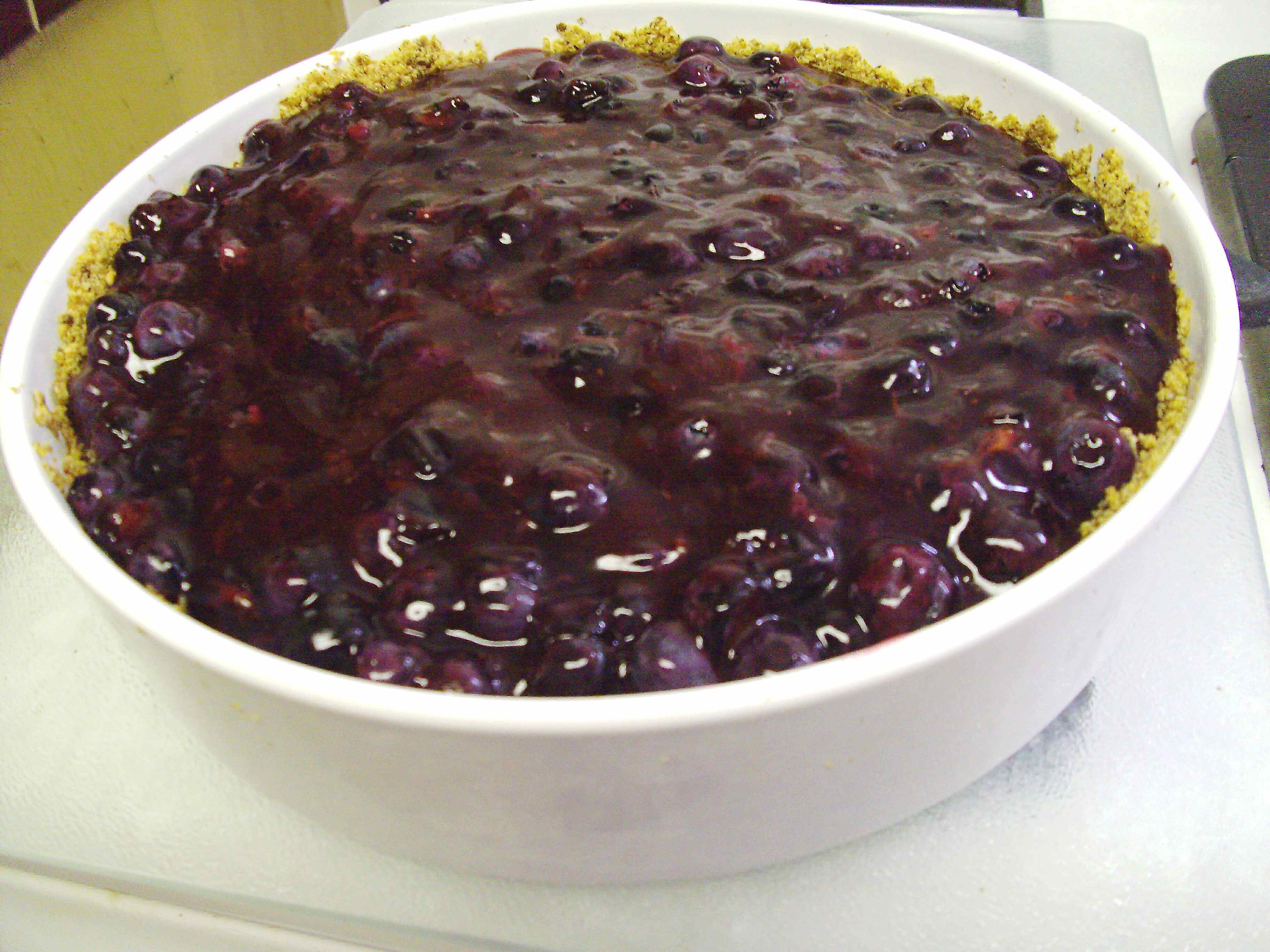


I looked up and suddenly it was June–and I realized I haven’t posted for a full six months. Not because I no longer cook or have an interest in it. But with my daughter away at college, I was cooking just for my husband and myself, we were both working long hours on other things and I kept figuring I’d get back to posting regularly in a week or so.
It’s easy to get bogged down–do we need more recipes for things? what can we say that hasn’t been said, and what does it mean in the face of my growing sense of unease about both the political and physical climate changes in this country? The damage, especially at the detention centers near our border with Mexico and the brute squad ICE raid tactics in our cities, is ongoing.
It’s hard not to feel overwhelmed as an individual, and I have rarely felt less like celebrating the 4th. I’m not good with big crowds or protest marches, even though they can be effective in the short run. But there are some specific and effective things we can do to help repair the damage and they can help us feel less awful, isolated and helpless.
First and foremost is to take action to protect immigrants being persecuted at our borders and in our cities. Definitely write to your congressional reps and senators, local mayors and DAs. But also try and help directly, even if you’re far from the border or can only contribute a few dollars of financial support.
The long-established Hebrew Immigrant Aid Society, which my grandmother used to volunteer with in New York, is partnering in Southern California with Jewish Family Services of San Diego. JFS has opened an emergency shelter for immigrant families released from ICE detention under a recent court order and basically dumped on the streets of San Diego–no food, shelter, clothing or contacts, nothing. JFS’s San Diego Rapid Response Network shelter helps several hundred families a week. In addition to their direct donations page they’ve set up an Amazon wishlist registry for basics like underwear, coats, toiletries etc.
https://jfssd.org/our-services/refugees-immigration/migrant-family-shelter-sdrrn/
Several such havens are being set up around the country by both Jewish and non-Jewish volunteer organizations, so donate to this one or look for one in your area. The ACLU and SPLC both have significant programs for legal aid and restoration of families, as do some state and local governments like California’s.The HIAS website also has a wide variety of social justice programming recommendations and sample action plans for getting your congregation involved.
Another area of concern–and more directly about food–is the likely state of the national food supply in the coming year due to the huge shifts in global weather patterns and unseasonal storm damage this spring, to say nothing of the tariffs. A month ago, the USDA was estimating that the midwest floods would lose us about 1.5 percent of our agricultural production of staples next year in wheat, corn and soy. Now farmers are deciding not to plant at all in those zones near the Missouri River, and the latest estimate as of this week is up to 3.5-5 percent loss in total US staple crops for next year. I desperately hope I’m wrong, but at that rate, given how loss projections often escalate over time, the eventual loss totals could actually be a lot worse–maybe as much as 8-10 percent of total US production.
What will that mean for food prices and availability? Nutrition and agricultural scientists have been concerned for years about the loss of diversity in our national average diets and farm subsidy crops, and the chokehold fast food and processed food have had on the American public. So you can imagine a 10 percent cut in wheat, corn and soy would mean Trump might have to cut back on his Burger King habit next year, and you’re probably thinking “boo-hoo.”
But for everyone else, losing these staple crops is no joke. In food deserts, urban and rural areas with no grocery stores or access to fresh produce, it could mean having to pay significantly more for the only food they can get easily. This in a country that has no real excuses for the degree of poverty we already have.
More than that, these staples, especially the corn, are also key ingredients in chicken and cattle feed, which means we could well see significant shortages and price hikes in dairy products, eggs and meat next year too.
Aside from attempting to hoard, though, what can we as individuals do about it? We can push our congressional reps and senators on climate change policies, lower our personal carbon footprints, and so on, but we can’t control the weather through our food choices–can we? Well, maybe we can. We can’t make the Trump administration see reason but that’s no reason to abandon our own considerable power for change.
Contrary to what we usually believe, our individual choices definitely can make a difference in climate within a surprisingly short span of time. Certainly the pollution damage of any decade carries nearly immediate consequences, but it works the other way too. Consider the ozone layer–once we could actually see the disappearing heat shield from satellite photos, government policy did the heavy lifting on banning chlorofluorocarbon emissions, forcing companies to find better refrigerants and ways to apply deodorant, and making hairspray a lot less popular. Did it work? Only a few decades later, the shocking ozone layer bald spot of the 1970s and ’80s has actually recovered, even if Final Net™ sales haven’t.
Or consider the California standards that led to the Clean Air and Water acts. We all take unleaded gas, catalytic convertors, hybrid vehicles and energy-efficient appliances as desirable standards these days partly because of those efforts. Do they make a difference? LA’s air alone improved so much in one generation that I can see 20-30 miles worth of the San Gabriel mountains just north of town. They’re literally walking distance from many neighborhoods in Pasadena, but they were completely masked by lead-lined smog in the ’60s when my parents lived here.
How then could we use our ordinary weekly food shopping to mitigate climate change on a scale that would come anywhere close to these successes and maybe make up for the crop shortfalls?
One possibility is to start diversifying what we eat–more beans and lentils; more bulk vegetables, less fast and processed food–to cut our overdependence on the top-three crops for most of our daily diet. Ironically? maybe not so ironically, this might push growers to diversify and plant more greens, which would use up some of the extra carbon dioxide in the atmosphere, and choose more legumes, which put nitrogen back in the soil as they grow.
We can also waste less food by using more of what’s already been grown and harvested. Ever since last May, when I wrote about food waste documentaries, I’ve been thinking more often about what goes to waste in my kitchen each week–not that much, actually, because I’m an undignified veg freak and a competitive cheapskate. But go to your local big-chain supermarket and you’ll see just how much still-good food gets culled every hour or so from the vegetable bins to maintain their corporate image as a guarantor of sterile, sanitized, pristinely packaged neatness. Only a tiny portion of it gets repackaged for a last-chance sale, even though most of it is probably still quite useable.

Unpurchased fresh produce, I’ve decided, is an opportunity waiting to be recognized. Using more produce could not only save us a bunch of pocket money each week but also cut back the costs we pay for farm resources (many of which taxpayers subsidize pretty heavily), including gasoline and diesel, pesticides and water. Between all that and just not stuffing the landfills with methane-belching food waste, it’s certainly worth a try.
The supermarkets may have one or two bags of discount apples or peppers–almost indistinguishable from the new ones–somewhere in a corner at the back of the store, but you really have to hunt to find them. They and most of their customers, stuck on boxed and pre-made packaged food, and often afraid of getting their hands dirty with bulk produce, obviously think there’s some shame in it.
The ethnic neighborhood greengrocers have no such inhibitions or delusions. At my local Armenian greengrocer’s in a back corner of the store is a wire rack with large plastic bags of fruit and vegetables that are bruised, slightly wrinkled, or too ripe to last much longer, and a bag holding two or three pounds might be going for a dollar. They know their customers cook often and in quantity, and are generally careful of their food money. Vegetables and fruits are still a large part of traditional kitchens, and many of the customers will check the back bins for end-of-the-day bargains.
Why would you even look at these last-chance buys? What are they even good for?
First, it’s a couple of dollars to spare in my pocket and a couple of extra pounds of fresh produce every week for a pittance–so I don’t have to feel self-conscious about the cost of playing around. Second, buying them, even at a discount, gives a little back to my local smalltime greengrocers, who would otherwise take more of a loss and still have to pay for disposal. Third, whatever I can use (or compost, at a last resort), stays out of the municipal landfills.
This spring I’ve come out of the greengrocer’s several times with two or three loaded-down shopping bags full of my regular purchases to which I’ve added one or two extra bags of marked-down veg or fruit snagged from the back bin. It’s a small hedge against hard times, and a reminder not to waste food or just throw things away. As with our grandparents’ generation and all the ones before, we need to look ahead and develop some lost survival and innovation skills in this area.
It is not actually hard to do something good with a bargain bag of produce, and because it’s cheap, you get to exercise your creativity, your inventiveness and your willingness to take a chance on something you don’t already know how to do or do well. That is just as much of a lost skill and one we definitely could use more of. Continue reading
Filed under: cooking, Food Politics, frugality, shopping, Vegetabalia | Tagged: food, politics, social justice | Comments Off on Windfall deals in the produce section

 Slow Food Fast