
• Enter your email address to subscribe to this blog and receive notifications of new posts by email.

    Join 241 other subscribers
  • Noshing on

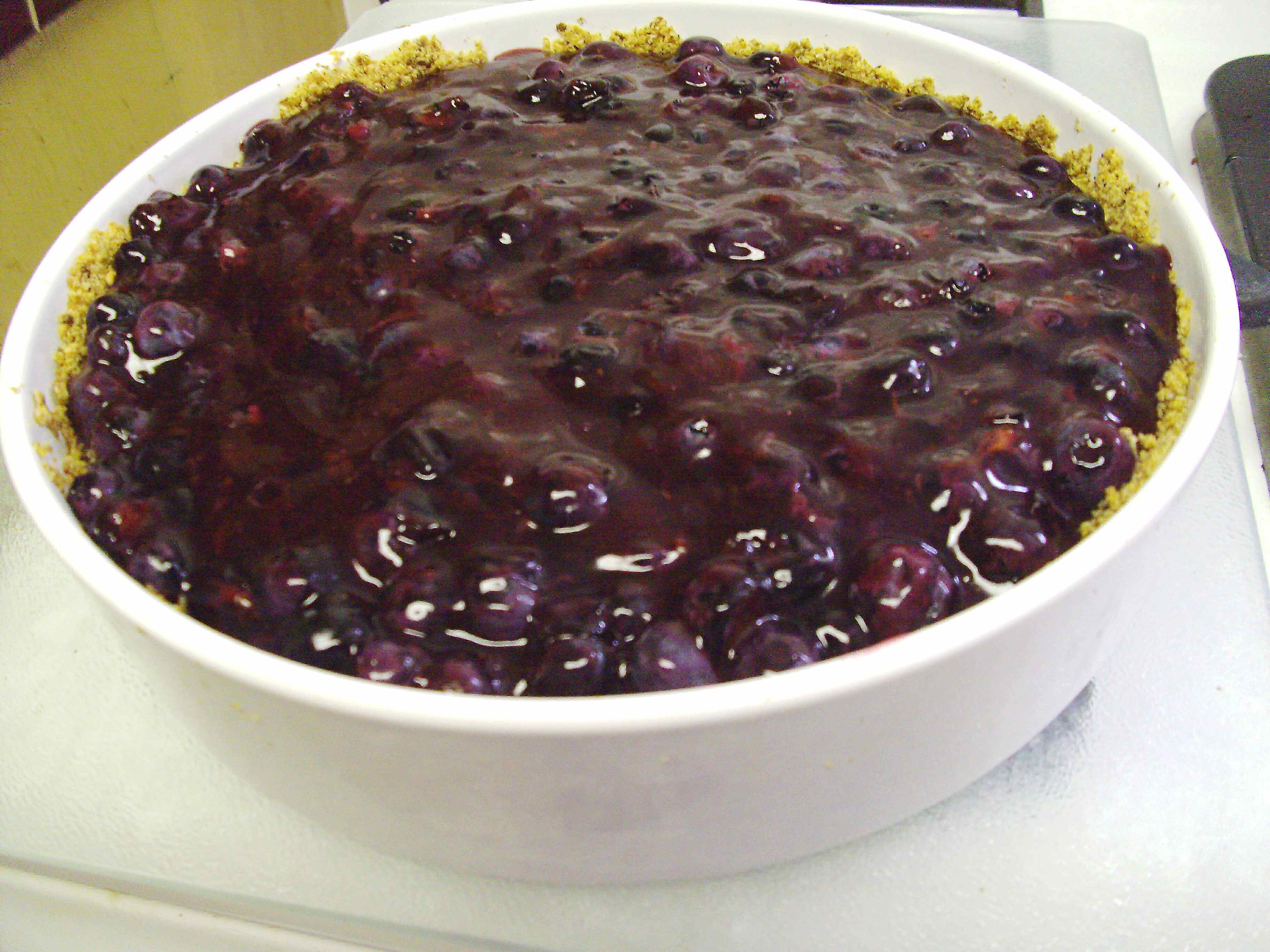
    raw blueberry pie with microwaveable filling and graham cracker crust

    This mostly-raw blueberry pie is a snap to make and very versatile--the filling microwaves in a few minutes, and you don't even have to bake the zippy gingered graham cracker crust--perfect for a hot Fourth of July and all summer long.

  • Recent Posts

  • Contents

  • Archives

  • Now Reading

  • See also my Book Reviews

  • Copyright 2008-2024Slow Food Fast. All writing and images on this blog unless otherwise attributed or set in quotes are the sole property of Slow Food Fast. Please contact DebbieN via the comments form for permissions before reprinting or reproducing any of the material on this blog.

  • ADS AND AFFILIATE LINKS

  • I may post affiliate links to books and movies that I personally review and recommend. Currently I favor Alibris and Vroman's, our terrific and venerable (now past the century mark!) independent bookstore in Pasadena. Or go to your local library--and make sure to support them with actual donations, not just overdue fines (ahem!), because your state probably has cut their budget and hours. Again.

  • In keeping with the disclaimer below, I DO NOT endorse, profit from, or recommend any medications, health treatments, commercial diet plans, supplements or any other such products.

  • DISCLAIMER

  • SlowFoodFast sometimes addresses general public health topics related to nutrition, heart disease, blood pressure, and diabetes. Because this is a blog with a personal point of view, my health and food politics entries often include my opinions on the trends I see, and I try to be as blatant as possible about that. None of these articles should be construed as specific medical advice for an individual case. I do try to keep to findings from well-vetted research sources and large, well-controlled studies, and I try not to sensationalize the science (though if they actually come up with a real cure for Type I diabetes in the next couple of years, I'm gonna be dancing in the streets with a hat that would put Carmen Miranda to shame. Consider yourself warned).

Microwave tricks: Seitan without Simmering

My sisters-in-law from Oakland were planning a visit to us this summer now that we actually have a house and can host them. It fell through, but the prospect got me thinking about vegan food and what we might serve them. They’re both good cooks, but they eat a lot of commercially-prepared vegan meat substitutes along with their own fresh vegetables and grains and baked goods.

I’m not great on packaged foods in general, and unfortunately, vegan proteins other than plain fresh tofu and dried beans look an awful lot like vegetarian versions of Oscar Meyer sliced bologna and turkey loaf to me. Not just the appearance, but the cost per serving (really high–something like 4-6 bucks for a chic little package that serves two, ostensibly) and the salt (also really high–600 mg and up per serving). And the ingredients lists are always long and kind of mysterious-sounding, either in a surprisingly chemical way or in a Japanese-ingredient-names-as-authenticity way. Not that I’m not working to figure out exactly what kombu and dulse and Job’s tears are. Two seaweeds and a resin? I think, anyway.

There’s also a lot of yeast extract in some of these processed vegan proteins–sounds like between that and the salt, what they really did was dump in Vegemite or Marmite. Bleagh (my husband’s sister is kind of an Anglophile, but that doesn’t excuse either version to me).

On the other hand, some of the vegan cookbooks out now have do-it-yourself recipes for seitan, and so do Ellen’s Kitchen and FatFree Vegan Kitchen.

Seitan is basically wheat gluten dough cooked in stock. If you do it yourself at home, it may take an hour to simmer but really isn’t very expensive compared with the commercially prepared versions. A 5-lb bag of flour at about $2-3 or a few ounces out of a 22-oz bag of vital wheat gluten (about $6-8, depending where you buy it, and worth it for getting 100% gluten out of the bag and not having to wash the starches out of the dough since it’s already done for you) produces something like a pound or two of seitan at a go. That’s enough for a larger meal, maybe even for that elusive home-made vegetarian centerpiece dish

Why is this worth doing if you don’t eat vegan and aren’t actually having vegan guests in the house after all? (and now that I’ve schlepped the last of the moving boxes out of the living room, I’m really wondering).

I think back to my favorite Chinese restaurant back east, the Hunan Manor in Columbia, MD. Every time we fly back east we try to make a stop there.

One of the things that makes the Hunan Manor great is their willingness to experiment and invent. They serve a wide variety of vegetarian versions of standard banquet dishes using “vegetarian chicken”–basically seitan cut and fried as for meat. These dishes complement their masterful use of tofu with textures from nearly silken to deep-fried to pressed and diced for the vegetarian jao tse, which I’ve always thought looked better and probably tasted better than the pork-based meatball filling our nonkosher friends would get (though they raved about them, and I’ll take their word for it).

The last time we came east, the restaurant had added several new dishes using a different form of seitan with very finely layered rolls that were cut in bite sized pieces, coated and fried–a pretty close simulation for the layered flesh of chicken. It was really delicious in their orange “chicken” with perfectly cooked bright green broccoli. It was unexpectedly unsalty as well, so I don’t know whether they made it in-house or had bought the prepared seitan in an unflavored form.

Either way, the dish was a great argument for using seitan creatively, and I don’t think my sisters-in-law, competent cooks though they are, have eaten any seitan dishes that good using anything from a little Gardein package.

So I decided I’d like to try my hand at seitan at home and see if I can’t come up with something flavorful, chewy, satisfying and nutritious, without having it scream salt. After all, once you’ve got the finished loaf or pieces, you’re Continue reading

No-Furkey!

In the freezer case at Whole Foods this month you’ll find big boxes announcing Turtle Island’s Tofurky Feast, Field Roast’s Celebration Roast, and VegeUSA’s Vegan Whole Turkey –this last shaped and glazed brown like a large chicken, drumsticks and all. I’m not sure how I feel about this concept–I thought the idea of being vegetarian when you have enough money for a choice was not only not to eat meat, but not to want to be eating meat either.

Not that I’m against decent vegetarian meat substitutes for Thanksgiving or any other time of the year. As someone who’s kept kosher since my college years, and often in places where there was no kosher meat (or I didn’t have the budget for it), tofu or wheat gluten “mock chicken” have made eating in Chinese restaurants a lot more fun, and the good restaurants make their vegetarian dishes as serious and well-balanced as their meat dishes–sometimes better. But they generally don’t try to disguise them this far or process them this much.

Still, to each her own. But $42.99 for the big VegeUSA box at Whole Foods. The box states that it feeds 25 at 2.5 oz/serving, which is probably enough protein but only about half the volume most adults would expect. And it’s kind of expensive for something that looks very much like a well-browned rubber chicken. What’s in it? I scan the nutrition panel and don’t really notice anything but the sodium–everything else is low or moderate, especially for a holiday meal.

But the salt! 450 mg for the “turkey”–double it to 900 mg if 2.5 oz isn’t enough for you and you want seconds.  1400-plus mg for the stuffing–huh? a whole day’s worth of sodium for one serving of stuffing?  Is it that bad for conventional stuffing mix as well? You’d do better to make your own from scratch.

At this point I didn’t even look at the gravy.

Tofurky isn’t much different–650 mg sodium per serving, including stuffing. Field Roast–in the same range too. They also sell separate tubs of frozen “giblet” gravy.

Of course (full disclosure here), I’ve never actually liked gravy, and I doubt it would really go well with anything tofu, not even tofu in a rubber chicken costume.

Why do I think you could do a better and probably a lot cheaper and more festive vegetarian Thanksgiving with some kind of authentic, fresh-made main dish? Because very clearly you could. Do you want it to taste good? Or do you just want it to look like an imitation turkey?

Of course, the main thing about these frozen concoctions, even the simple cylindrical “roasts”,  is that they look like centerpiece dishes, and there’s really no knocking that desire to serve something impressive and festive and most of all, shareable at Thanksgiving. It’s important. Thanksgiving feasts demand a monument to plenty, and an inedible cornucopia with gourds and Indian corn doesn’t really cut it. Nor does a big pasta salad (although a timbale, as in Big Night…)

Surprisingly–sadly?–enough, very few vegetarian cookbooks, not even the big tomes like Mark Bittman’s How to Cook Everything Vegetarian or Veganomicon, really try for a vegetarian centerpiece dish that looks and feels like an important dish. Mollie Katzen’s title dish from The Enchanted Broccoli Forest is about the only intentionally designed centerpiece vegetarian dish I’ve ever seen. A very long time ago I actually was served this thing once at a friend’s house, with very sadly overcooked broccoli stalks stood upright in a flat casserole of brown rice. Oy, is all I can say. Not a moment of pride. Both Katzen’s and my friend’s cooking improved in later years.

None of the currently hot vegetarian cookbooks out there have an index listing for “Thanksgiving”–very telling. A lot of them have portions for 2 or 4 or just one person. Only vegetarian chili and pasta dishes are intended to serve a crowd of any size.

So vegetarian centerpiece dishes deserve some consideration. Tara Parker-Pope of the New York Times blog “The Well” has been edging around this topic for a week or so, but I don’t feel she’s really gotten to the heart of the matter–neither has anyone else. Perhaps it’s because she’s not thinking like a vegetarian?

What makes a dish a centerpiece dish? Think about the turkey, then, or a whole salmon, or a rack of lamb or the like. It’s big. It’s unified–one big item before you cut into it for serving. It’s elegant and impressive. It’s sliceable. It’s savory enough to draw people into the dining room with a sigh of Continue reading