
• Enter your email address to subscribe to this blog and receive notifications of new posts by email.

    Join 241 other subscribers
  • Noshing on

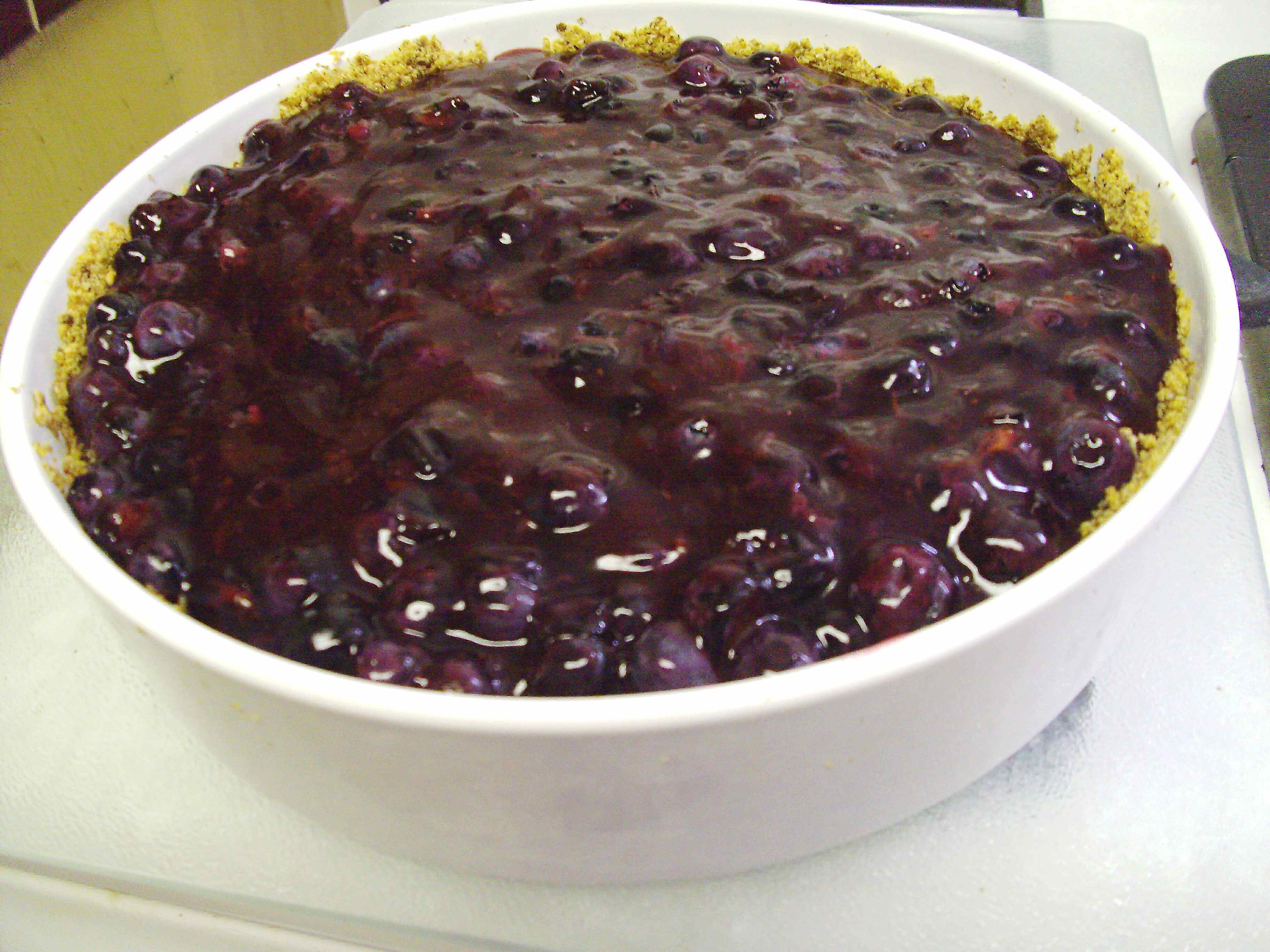
    raw blueberry pie with microwaveable filling and graham cracker crust

    This mostly-raw blueberry pie is a snap to make and very versatile--the filling microwaves in a few minutes, and you don't even have to bake the zippy gingered graham cracker crust--perfect for a hot Fourth of July and all summer long.

  • Recent Posts

  • Contents

  • Archives

  • Now Reading

  • See also my Book Reviews

  • Copyright 2008-2024Slow Food Fast. All writing and images on this blog unless otherwise attributed or set in quotes are the sole property of Slow Food Fast. Please contact DebbieN via the comments form for permissions before reprinting or reproducing any of the material on this blog.

  • ADS AND AFFILIATE LINKS

  • I may post affiliate links to books and movies that I personally review and recommend. Currently I favor Alibris and Vroman's, our terrific and venerable (now past the century mark!) independent bookstore in Pasadena. Or go to your local library--and make sure to support them with actual donations, not just overdue fines (ahem!), because your state probably has cut their budget and hours. Again.

  • In keeping with the disclaimer below, I DO NOT endorse, profit from, or recommend any medications, health treatments, commercial diet plans, supplements or any other such products.

  • DISCLAIMER

  • SlowFoodFast sometimes addresses general public health topics related to nutrition, heart disease, blood pressure, and diabetes. Because this is a blog with a personal point of view, my health and food politics entries often include my opinions on the trends I see, and I try to be as blatant as possible about that. None of these articles should be construed as specific medical advice for an individual case. I do try to keep to findings from well-vetted research sources and large, well-controlled studies, and I try not to sensationalize the science (though if they actually come up with a real cure for Type I diabetes in the next couple of years, I'm gonna be dancing in the streets with a hat that would put Carmen Miranda to shame. Consider yourself warned).

“The Dorito Effect”: Fervor over Flavor

So, the party’s over, the halftime show’s over, Denver won, a variety of pop stars are brushing off media criticism over what they wore, and a nation is figuring out how to deal with the caloric aftermath of buffalo wings and a variety of dips and chips. (My biggest excitement: locating the owner of a red Corvette with a leaking gas tank in time to deal with it and avoid a more dramatic spectacle. Luckily it was mid-afternoon and the owner was alert, sober, and not smoking. She  also wasn’t whining about having to go out to look at the car. As some of the male guests might have been, Corvette or no.)

Mark Schatzker’s recent book, The Dorito Effect, is an energizing read for those of us who aren’t really into the classics of Superbowl Sunday.
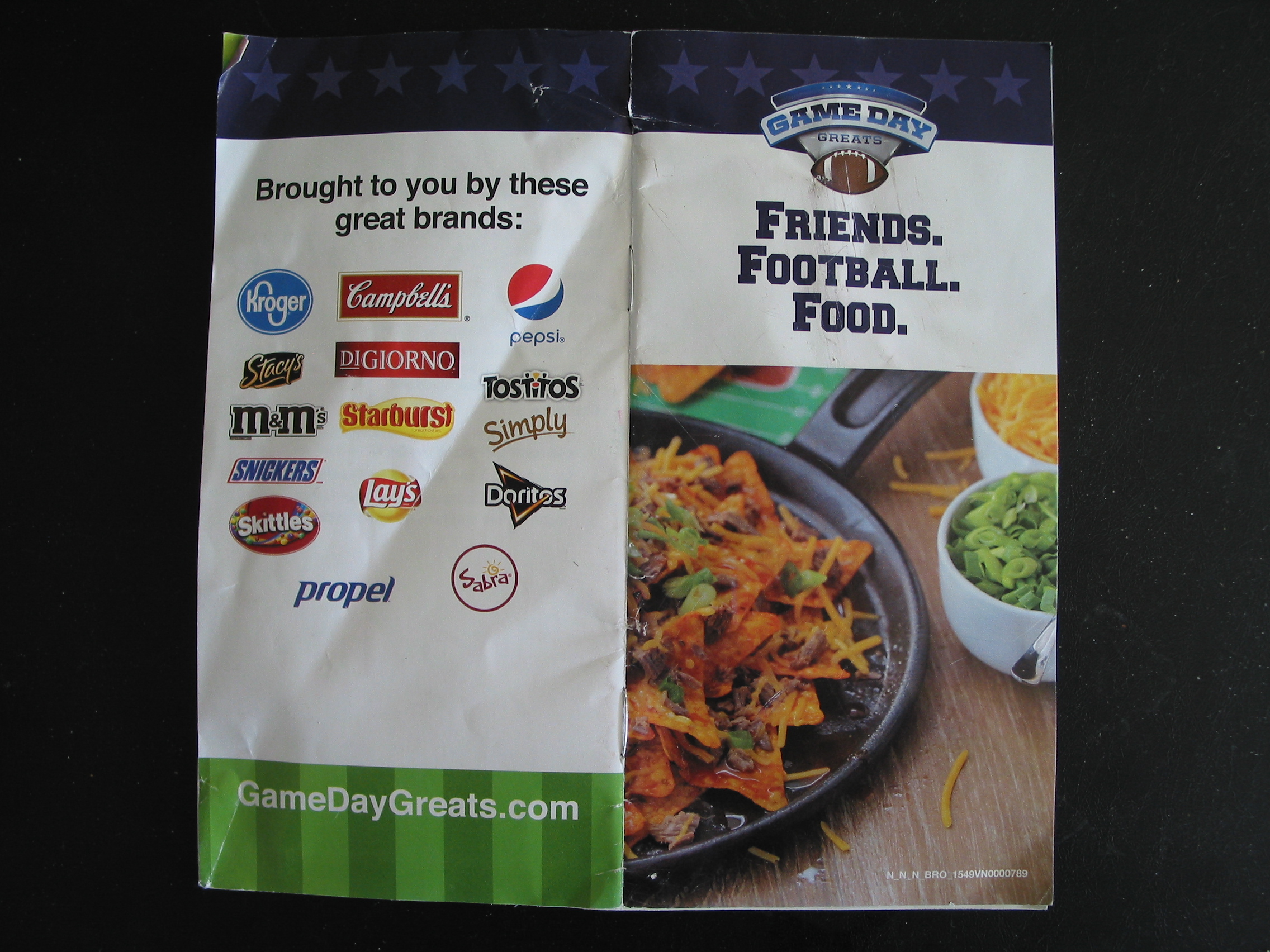
Kroger Superbowl recipe booklet

I’ll spare you the inside pages, but the closest to nutritious was Kroger’s own recipe for double-coated baked cauliflower “hot wings”–ingredients: a head of cauliflower, a little flour and water, garlic powder, Kroger’s store-brand hot sauce, and some melted butter to doll up the cauliflower florets before dipping in…ranch dressing. 

Not that it’s really so much about Doritos, but rather that it takes the 1960s invention of Doritos–a “taco-flavored” taco chip without any actual meat, cheese or salsa, just what has become known to all as orange cheez dust–as the first serious divorce between food and intrinsic flavor.

It isn’t really the first, of course, and Schatzker traces the history of post-WWII mass agriculture as the story of more food, grown quicker, with less and less flavor. Everything from tomatoes to chickens to broccoli to wheat comes under the microscope lens here. Yes, it’s another Michael Pollan-style examination of some familiar complaints about how and why nothing tastes the same anymore.

He collects reactions from champion kvetchers as diverse as Julia Child (she did it first, he claims, calling modern–1960s–American chicken tasteless and with the texture of “teddy bear stuffing”) to the Slow Food Movement (no relation, ahem!) to Michael Pollan himself, to a variety of old bickering couples who remember the flavor of old long-legged breeds of chickens now relegated to the remote gourmet sidelines of the vast factory-farming chicken industry…

Schatzker tells a fairly entertaining version of this tale–how Big Food and Big Agro convened with flavor chemists to alter the course of human gastronomy in the wake of WWII. As we breed livestock and produce to grow more, bigger, faster, he discovers, we lose not only flavor but nutrients and replace them with water and carbohydrate filler even in things like broccoli and tomatoes. And then we try to make up for that by dousing them in ranch dressing and orange cheez dust and artificial flavorings; hence the title of his book.

Coatings, dressings, artificial flavorings, salt, sugar and oils–these, he says, have become the substitute for intrinsic flavor in real foods, and a mainstay of the unsubstantial snack foods–starting with Doritos–that have pushed out bulk produce and unprocessed ingredients in the American diet.

Schatzker takes it a couple of steps further, though, presenting his theory that the loss of flavor in real foods is the key factor to blame for American overconsumption of calories, and that flavor is one criterion we should work to restore at a national level.

Yes, we’ve read much of this before elsewhere, but his interviews are still eye-opening. He interviews flavor chemists at McCormick, which does a lot more of its work behind the scenes of the restaurant and processed food world than you might think. Those little bottles of herbs and spices on supermarket shelves are just the tip of the iceberg.

Schatzker also profiles one of the original breeders of today’s heavy-breasted, fast-grown, efficient-feeding mass market chickens–though the man is still proud of that early work given the economic pressures on postwar America. He gets the inside story on the decline of flavor and nutrition in broccoli, kale, tomatoes, strawberries and other common produce, and learns why some top agriculture researchers eventually quit the corporate world to try and restore some of the diversity and quality that had been lost during the peak years of their careers. Continue reading

Thanks

I want to give a quick thanks to Dr. Marion Nestle, who took the time to let her readers and colleagues know about Sunday’s Dietary Guidelines post in her Twitter feed and on her blog, foodpolitics.com, which I’ve read with interest ever since starting this blog. The response has been overwhelmingly positive and I appreciate it very much.

USDA Dietary Guidelines released…a full year later

The Dietary Guidelines Advisory Committee’s scientific report, essentially the major draft of the USDA “Dietary Guidelines for Americans” guidelines, was finished last February. The Dietary Guidelines for Americans, 2015-2020 has finally been released in its official form to the public–but it’s only available online at health.gov as of this week, with promises of an eventual PDF.

To that end, because the Health.gov site doesn’t yet have a downloadable version, I’ve pulled the text and images of the final “Dietary Guidelines for Americans 2015-2020” into a quick-and-dirty two PDFs you can download below for free. It’s not perfect–the pages don’t all flow with gorgeous layout and some of the graphics were so oversized I had to kind of select-cut-and-paste them in sections to get the charts to fit. I think I’ve got it all in there, though, including most of the helpful nutrition and diet charts in the appendices (with notes where I didn’t catch on that there was more to a chart than first appeared).

What can I say–“Enjoy.” Ummm….well, anyhow, here they are:

Dietary Guidelines for Americans, 2015-2020–this includes the Table of Contents, Intro, Executive Summary, and body of the report (Chapters 1-3).

USDA DGA 2015-20 Final-IntroandChapters (PDF, 3.4 MB)

Appendices (14 of them) for the Dietary Guidelines –I couldn’t get Adobe to stick this on the end of the document nicely, so it’s separate but useful.

USDA DGA 2015-20 Final Appendices (PDF, 263 KB)

The original Dietary Guidelines Advisory Committee Scientific Report from last February is available here.

What was the holdup? What are the differences from the health-basis-only recommendations of the DG Advisory Committee’s version last year?

Given the shoddy job major media gave the advisory committee’s scientific report last winter and spring, perhaps the best thing to do this time around is skip the media coverage hyperbole and compare the two reports directly and see what gives.

Professor Marion Nestle digs in with dissatisfaction as to some of the likely buyoffs this time around–she deems that the big meat, egg, sugar, etc. producing industries have won some victories in what wasn’t said. She also complains, as I do, that the online version is full of stupid bells and whistles. It’s hard to navigate, there are a lot of windows and figures that are actually slide shows and you have to know to click on them to get the rest of the information. Hopefully the PDFs above will be more readable.

Nestle’s take is more political than mine (for a change? not really). She notices more of the inconsistencies with naming food categories only when they’re favorable, and using nutrient names (sugar, saturated fat, sodium) as substitutes for the big-business food categories that are poor nutritionally.

I’m less incensed about most of that– and ironically a little more optimistic about what was included. Continue reading

Another reason to avoid processed and fast food

In the past five or ten years, obesity and diabetes researchers have started taking a closer look at environmental factors that have unexpectedly strong disruptive effects on our appetite, food consumption levels and metabolism, even at levels currently deemed safe by the Food and Drug Administration. The potential of artificial sweeteners to lower glucose tolerance in less than a week by shifting the balance of gut bacteria is only one unnerving example.

Environmental chemicals like fungicides, pesticides and plasticizers (BPA and the like) have long been of concern for cancer, endocrine disruption and infertility. Some extensive and carefully conducted studies now reveal that some of these chemicals can also increase fat cell development and storage as well as insulin resistance. Low levels of exposure directly increase the rate of obesity in rats, and  population studies, though not as extensive, show that exposure also tracks with obesity in humans.

These common chemicals are now being considered obesogens–chemicals that cause obesity or at least make people more prone to it. And these are effects that may end up being passed down.

In the rat studies, the effects lasted for several generations, and that also seems to tally with earlier findings on environmental endocrine disruptors and male infertility. Some of the tests that were conducted on rats in the obesogen study were too invasive to perform on human subjects, and a human generation is a lot longer than a rat generation–20+ years vs. 6 weeks–so it may be hard to trace inheritance in humans just yet.

Well–so what does it mean for us while we wait for the perfect definitive human study to come along?

To my mind, it means taking a harder look at how we choose the food we eat. We can’t remove all pesticide residues from the environment but we can probably eat fewer things wrapped pristinely in plastic and cut down our reliance on plastic utensils and disposable containers.

As I look around my kitchen, I realize just how often I reach for plastic sandwich bags–daily for lunches, but also for leftovers, herbs, halves of onions or lemons, cheese, vegetables. Stacking plastic storage containers keep soup, salad, rice or beans–or this week, an overload of stuffed shells, since I finally got my cook-once-eat-six-times-or-so batch cooking mojo figured out. And almost everything else in my fridge and on my shelves is in contact with plastic at one time or another.

Plastic wrappings pervade most of the supermarket offerings–overwraps on plastic-coated juice boxes, plastic see-through windows on cardboard pasta boxes, sacks of dried beans and rice, loaves of bread, plastic inner bags for boxed cereals and snacks, and plastic linings on the insides of tin cans. Also, of course, all those bottles of soda and energy drinks and vitamin waters and juices and milk. And yogurt. To say nothing of fast food, vending machine food, and so on.

Plastic is everywhere because it’s cheap, light, flexible, avoids breakage in shipping, and it helps you keep your food dry if you want it dry or moist if you want to keep it from drying out. You can keep everything separate and clean and airtight even when stored side by side. You can store it in the freezer and take some types of plastic containers right to the microwave. If you want to give up plastic, either for health reasons or environmental ones, you have to give up some of those advantages too.

Your next best bets are glass, which is heavy and breakable and no longer reliably tempered borosilicate, at least not in the US. Or perhaps stainless steel, at least for cold containers–maybe a stainless steel kit for lunches? I don’t know–if you don’t take strict care of it, or if it’s in contact with wet or acidic foods for long periods, it may rust. Storing salads or tomato-based items might be a problem. Ceramic bowls and containers–also heavy and breakable, and some of the food-approved glazes still leach measurable amounts of copper and other metals.

I do occasionally see someone from the homesteading and health food store generation, or else in Amish or Mennonite-style dress, loading up on bulk buy drygoods at Whole Foods with their own glass jars and cotton drawstring bags. And I always admire them for it, but I also think that’s an awful lot of stuff to trundle around to the store and get the clerks to okay. It is not easy to do and it’s obvious they’ve saved up for a monthly trip to stock up because you wouldn’t want to have to do it more than that often, especially when you have young children in tow, even very well behaved young children as they often do (another thing to admire them for; my daughter used to go and play hide-and-seek in the corner grocery when she was that young. At least she knew not to take anything).

But back to plastics and food storage. The obesogen phenomenon is intriguing but probably not the main source of the current obesity epidemic. Common sense says people might have slightly more propensity for developing fat cells but they’d still be small cells if people weren’t overfeeding them by eating more calories than they used to. That’s the major trend, by far. It’s still the food itself that matters most.

Processed and fast food still dominate as popular items of diet, and they’re very high-calorie-density compared with most nonstarchy bulk vegetables, which never seem to be recommended first on any popular weight loss and fitness show anymore (cough–Dr. Continue reading

Green Beans Get Serious

If you’ve gone to the supermarket the last couple of weeks, and seen huge haystacks of green beans on sale for under a dollar a pound, you might be wondering to yourself how much green bean casserole can any one family take? Pretty bad that Thanksgiving only has one sanctioned green bean recipe, and that no one can think of anything better to do with them over the holidays.

Not that I’m against plain and simple green beans, as long as they’re actually still green. Fresh, lightly steamed or microwaved or stir-fried, not boiled to death. Although frankly, I often prefer them raw and fresh as something to just wash and nosh, like carrot sticks or celery.

Even frozen green beans are fine if you treat them gently and cook them a bit less than you would fresh ones–the freezing and thawing break down all vegetables slightly, and you don’t want them to go to mush or turn brown.

Just not the dank, slimy brown horrors that emerged from a can every once in a while when I was a kid, and which my mother insisted, against all reason, had once been something living. Canned green beans are the zombies of the green bean world.

But with a bounty of cheap greens in winter, what to do with them is a pretty good question, and one that begs a three-minute solution, especially when most green vegetables are getting harder to come by. You want to stock up but you don’t want to be eating the same old, same old for a month.

My best solution for a quick green bean dish–other than the grab-and-go raw snack vegetable business above–is of course to wash and trim the tough ends from a bunch of green beans (I usually grab about a pound at a time). Stick them in a covered container or between two microwaveable stoneware or Corelle dinner plates with a drizzle of water (anything from a couple of tablespoons up to about a quarter-inch in depth) .

Three minutes on HIGH should cook a pound of rinsed and trimmed green beans to that crisp-tender ideal where they’re still green and just cooked but still have a bit of bite to them. Basically like blanched or steamed, but without the big stockpot of boiling water (which I hate to wait for and which seems a waste), the strainer, or the ice water bath (another wasted bowl).

And you can do it right before dinner as a last-minute thought, just enough for that meal so they stay green. Drain and serve them ASAP for best results. Don’t give ’em a chance to go brown.

If you want to keep them green for later, microwave them a little less, maybe 1.5-2.5 minutes per pound, just until they begin to turn jewel green, rinse them under a cold tap as soon as they’re done, drain and chill. Do not add anything acidic to them until just before you serve them so they don’t turn olive-brown.

Yes, it’s pretty plain–which is handy if you want it versatile. You can serve them hot with a mustard garlic vinaigrette or other salad-type dressing to dip into or drizzle over them. Or the richer (but not saturated-fat) sauces, tehina with lemon and garlic (and either water or plain yogurt), or Asian peanut sauce with chile, garlic and ginger are also good.

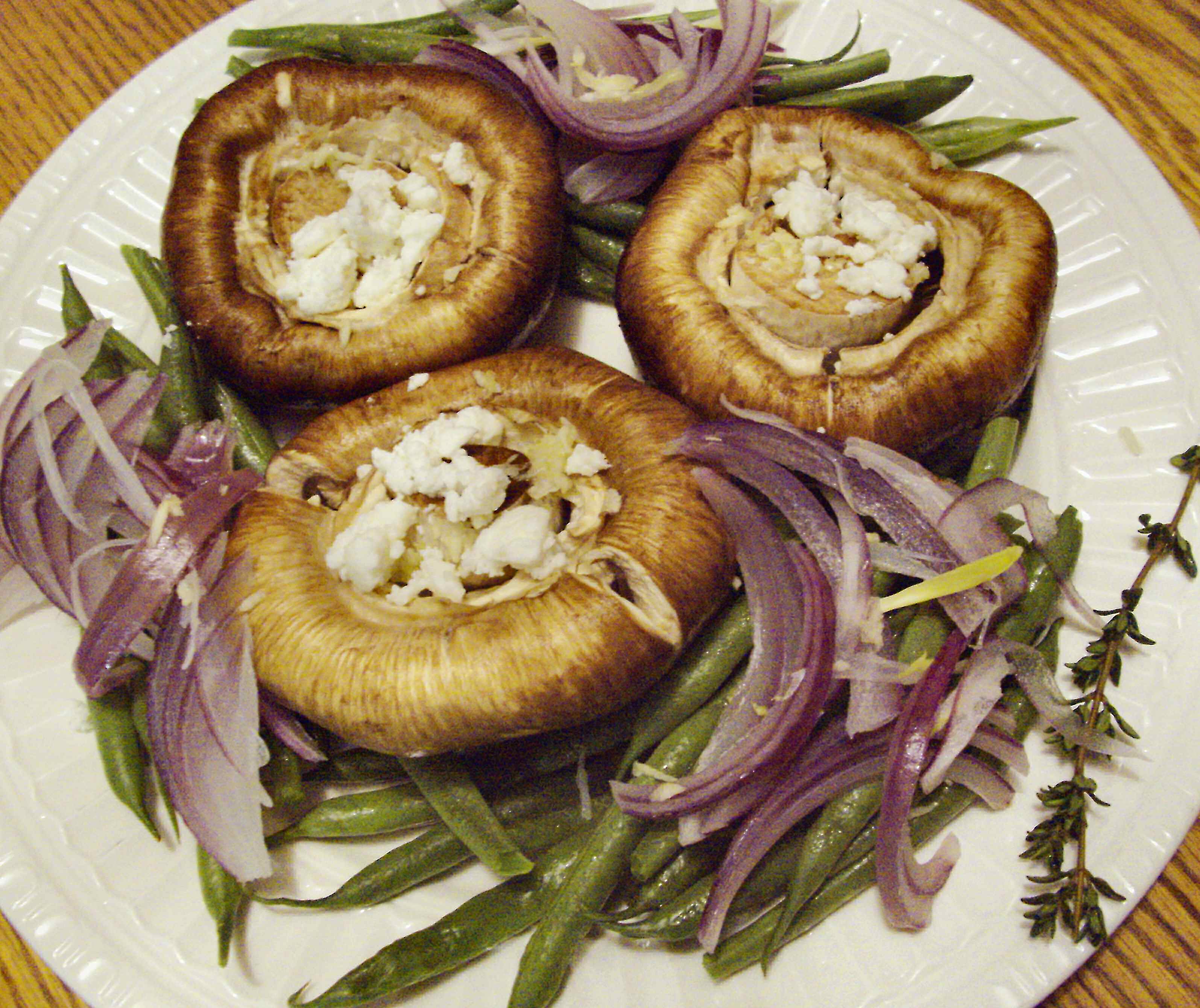
If you want something a little fancier-looking and vaguely French (we’re going for “day in Monet’s Garden,” not “tacky tourist café with haricots verts side dish that turns out to be nothing more than buttered overcooked green beans”) you can arrange the green beans in a covered stoneware platter or bowl, with thinly sliced onions and a bit of thyme and minced garlic strewn around to get a fairly nice-looking and savory microwave-to-table kind of dish that still only takes a few minutes to throw together and zap to perfection.

greenbeanswithstuffedcriminimushrooms

Slice some mushrooms over the green beans or nestle mushroom Continue reading

How to fly with a pie

Happy Chanukah–tonight was the first night–and as per usual, a belated Happy Thanksgiving too. I hope everyone ate nice, had fun, enjoyed and helped do the dishes wherever you gathered.

Now that it’s over, I have a few more additions to the list of things I’ve learned–good or bad–about How To Travel With Food ™. Because my in-laws, who usually host Thanksgiving, are traveling in Africa (!!!–think elephants coming up to their cabin porch), my ex-brother-in-law invited all the rest of us to join him for the weekend instead. In Sonoma. At what turned out to be not a cabin with or without elephants, but a luxurious private residence he’d booked for the group as a vacation rental. And it was out and out marvelous. If a little weird and unsettling in its own way.

Sonoma-Kenwood.jpg

When we were still deciding how to reach Sonoma from Pasadena, we realized with dismay that it’s about 10 or 11 hours by car at the best of times, and Thanksgiving week is not the best of times. When we lived on the east coast, a trip like that would have us thinking airplane automatically, but out here we usually just suffer. My niece and her boyfriend drove up from San Luis Obispo, usually 4 hours north of us, and it took them 9 hours instead of 5 or 6. So I was really grateful to my husband for finding affordable plane tickets for an hour’s flight into Oakland. So far, so good, and it took a lot of the strain out.

But all those airline rules. And we were the ones bringing pumpkin pie. In carry-on. My ex-BIL offered to pick up a couple of big stalks of brussels sprouts for me up there (I don’t think we even had any more at down here by this time; Trader Joe’s was out of them by weeks) as well as a green cabbage for Greek cabbage salad. These are big heavy scary-looking items you just don’t want to schlep on a plane unless you’re auditioning for the live version of Shrek. As the shopping list got longer, I decided to just bake the pies at home, cool them, freeze them as far as possible, and take them in a stiff box with some ice packs stuffed in the corners and hope for the best.

Continue reading

In search of good rye bread

I’ve been attempting rye bread and kornbroyt (Jewish sourdough whole wheat bread) on and off since about last Chanukah–almost a whole year! You would think this was unnecessary, since I live close enough to North Hollywood/Valley Village, the eastern hub of LA for Jewish bakeries and delis (the older western hub is “the Fairfax” neighborhood and the Pico/Robertson area). The rye bread you can get at these places isn’t terrible; my synagogue orders it regularly along with 6-braid challahs for big events, and it’s okay. It just isn’t much better than Arnold’s or Sara Lee, the lightweight commercial supermarket versions I grew up with in the south when we couldn’t get the real thing from New York more than once or twice a year.

Last spring I bought the big crusty half-boule loaves of wholewheat sourdough from Trader Joe’s to sub in for kornbroyt at a big synagogue brunch and they were wonderful–and also not screamingly high in sodium as most hard-crust sourdoughs are (Whole Foods, most bakeries, certainly La Brea and friends). Certainly less per serving than the French loaves and ciabattas and other items on the gourmet bread stand at TJs. The Pain Mich’ demi-boule was a very good deal all the way around, and I’ve bought it weekly for years.

But shortly afterward, TJs switched bakers and the new ones produced something that only looked similar. The crust was flabby and the crumb was like the stuffing of old office chairs–crumbly and weak, lacking flavor, not springy and full of moxie like the real thing. What could have happened to my favorite shortcut to the good life? They still haven’t fixed the problem. Which is probably at least partly due to an inferior use of sour culture. Or CUL-choo-ah as my mom says (Brooklyn accent hard to miss).

So I was going to have to figure it out for myself if I didn’t want to remain a deprived child.

For the past 30-40 years, according to Stan Ginsberg and Norm Berg in their book Inside the Jewish Bakery, the flavor and texture of commercial rye bread  have really been watered down as companies went national and American-style with it. It became paler and lighter in texture, with less rye flour and more additives–oils, conditioners, salt. And they used commercial dry yeast instead of sourdough culture, which takes too long and for a long time wasn’t generally considered reliable or controlled enough a process for mass production–probably not for FDA and local health inspectors either. So most commercial rye bread lacks the true rye sour starter flavor, and is no longer really chewy or dark. Or crusty. Which is how I want mine.

All of those lost characteristics from my childhood memories of real New York rye bread and kornbroyt, made by local union bakers and brought down to Virginia once or twice a year by my grandparents, have now regained popularity in the US foodie arena. Well, not rye bread as such, but “old world” artisan wholegrain sourdough breads that seek to copy Poilâne’s legendarily crusty round loaf. Enthusiasts bring up a lot of sinister-sounding bakers’ terms: levain, cloak, slash, hydration percentage, etc. And they’ve come respectably close. But they’re still lacking the sign of authenticity: the union label pasted on the endpiece!

One major American bakery to achieve similar cult status to Poilâne is Tartine. Complete with three lengthy baking manuals so far on how to build a sour, incorporate all kinds of grains and let the sour culture digest them for the right number of days until they’re ready to set up as loaves.

The books are filled with gorgeous, crusty loaves that cost a fortune at gourmet bakeries if you can find them at all in your town. But it’s like looking through the bakery window, hungry, with your nose pressed up against the glass. Most people don’t have the singlemindedness to follow all the steps at home more than once, much less for more than one or two varieties of more-expensive, Whole-Foods-only, alternate grain breads.

The books are also filled with testimony as to just how many years it took each baker on the team to fulfill his or her apprenticeship and perfect the technique.

Years, though. That’s a lot of time to get yourself a decent home-baked loaf of rye bread that tastes like it could stand up to corned beef. Which makes me wonder whether a mere cookbook can really teach it.

So why bother (except for the perverse curiosity that drives me to mad-scientist-like experiments that probably won’t win the Nobel this year, or any year)? Because once in a while you want good rye bread even if you live on the West Coast.

Looking at the pictures and even reading the instructions can’t give you the exact right sour or air temp or humidity or other conditions that make Tartine’s bread award-winning. Your yeast may vary. You may not have the same sensitivity in your hands or know exactly how moist or elastic or heavy or whatever the dough needs to feel like at each stage. You have to be willing to experiment and fail a couple of times and pay attention to how it looks, feels, smells, and be willing to fiddle around and adjust the next time.

That’s okay. Perfection is not a Jewish ideal, so much, and rye bread is not so hard to improve with practice. Our great-(great-etc.) grandmothers were making rye bread pretty often in the shtetls with whatever starters they had and could keep going throughout some pretty challenging winters. And every spring they’d have to get rid of their sour cultures right before Passover and start over from scratch as soon as it was over. In Russian-Polish spring weather. (My grandfather always said you knew it was spring when the first oxcart got stuck in the mud. It meant the ground had finally thawed.)

So you could probably figure that the women in the shtetls weren’t always overjoyed to have to throw away their sour cultures every spring, and the first loaves of bread in the shtetls after Passover ended might not have been a lot of good for a week or so extra. Or they could have turned out like my first one, especially if it took an extra week for the miller to supply new rye and wheat flour.

To tell you the truth: getting a rye sour started is no big deal–I seem to have done it on the first try, even while taking the onion shortcut (see the bottom of the post) and being much too casual with the flour and water proportions in Ginsberg and Berg’s rye bread instructions from Inside the Jewish Bakery. It’s just that getting the sour ready for baking takes a while–like 3 to 5 days. And then it gets more refined and hopefully consistent as you feed it sequentially over time. Professional bakers guard their established sours like gold.

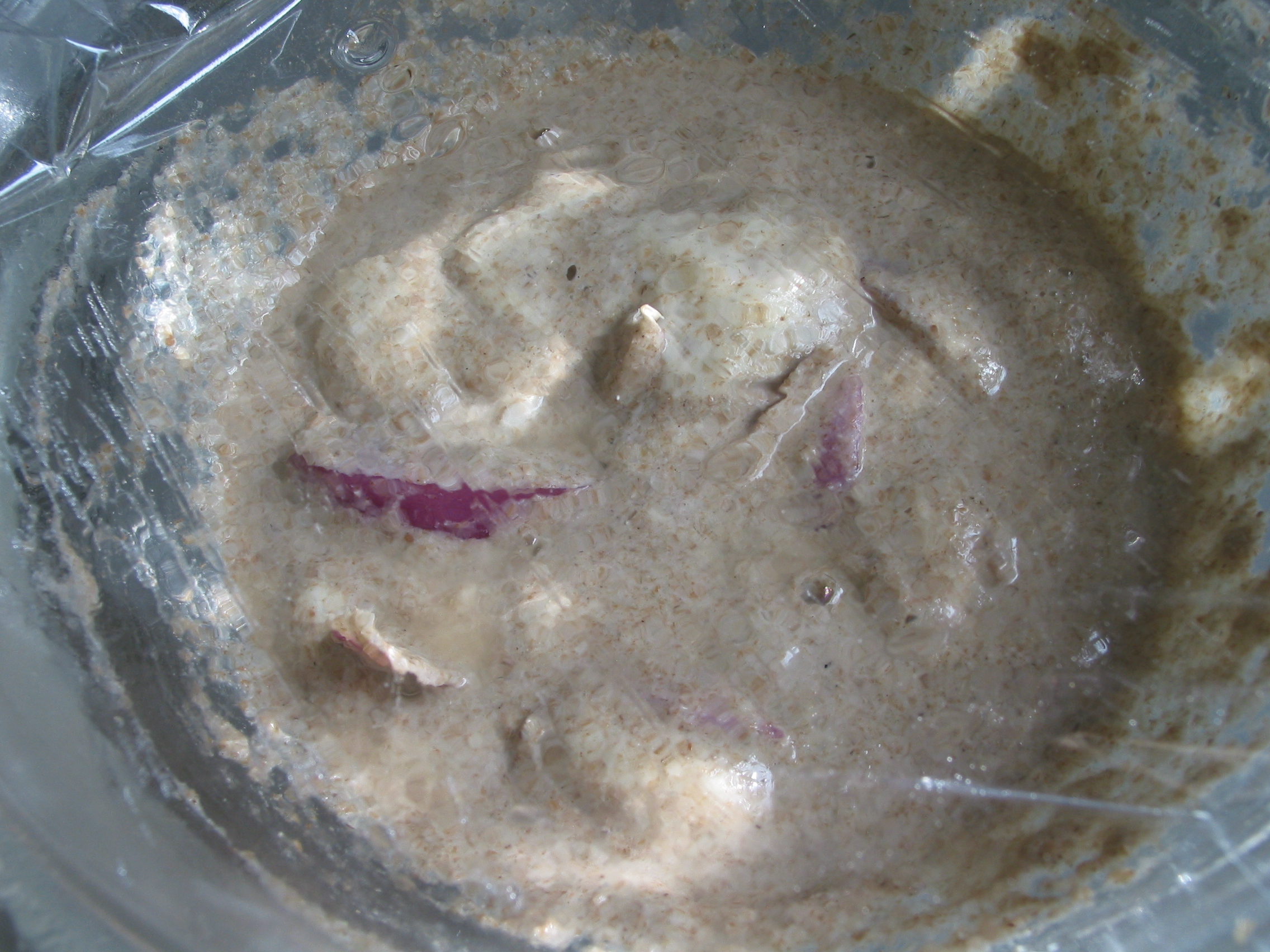
Rye sour getting started with raw onion

Rye sour getting started with raw onion

What went wrong on my first try, right before New Year’s, was that I didn’t put in quite enough wheat flour for the final dough. I was still thinking loose, elastic, relatively wet dough like my usual pizza dough or challah dough, and this needed to be stiffer to match the picture in the book, which showed an actual spherical ball of dough. I figured my usual dough would be a little moister and give nice, big ragged holes–however… Continue reading

Fish Tale: Omega-3s and Greenland’s shores

Well…another shining example of “magic bean” and “superfoods” wishful thinking has bitten the dust, thanks to more careful research. It may be a good thing.

In recent years, several reassessments of the heart health benefits of popular fish oil supplements have failed to find a significant protective effect from omega-3 fatty acids. A new genetic study of the Inuit in Greenland revisits the old 1970s finding that started the whole fish oil phenomenon (and salmon farming) and explains a lot of that failure. The researchers found a specific gene variant in almost all the participants but not in other populations.

The gene in question helps package fatty acids from the Inuits’ traditional all-fish-whale-and-seal-meat diet more efficiently to keep blood lipid levels down. Researchers noted another striking effect: participants who have two copies of this particular gene variant are also significantly shorter and ten pounds lighter on average than those without it. And although this gene variant is very common among people of mostly-Inuit descent (today a lot of Greenlanders have mixed Inuit and Danish heritage), the ethnic and racial group with the next highest concentration of this gene variant, as far as it’s been tested, appears to be the Chinese, but only about 25 percent of them have it. People of European descent mostly don’t have this variant.

What does this mean for omega-3s and fish oil supplements in North American popular culture? The New York Times article didn’t go that far, but the implication should be clear: Unless you’re Inuit, you probably don’t have the specific gene variant that helps your body deal with omega-3s, so for you, omega-3s are like most other animal-derived fatty acids–adding more to your diet is just adding more to your blood lipid burden. Rich fish like salmon may taste nice, but lipids are lipids, and calories are calories. Given the likelihood that they’re really not cardioprotective after all, overeating them doesn’t make sense, especially for a population as overweight as ours has become.

Fish oil supplements are probably even less of a good idea, and they don’t even taste good. They won’t really protect your health as claimed, not for omega-3s, anyway (cod liver oil is still probably good for vitamin D, if you can still find it, but most people would probably prefer a mercifully flavorless vitamin pill).  So save your shekels, buy actual salmon once in a while, and enjoy it–but sparingly.

“Deli Man” is out on DVD

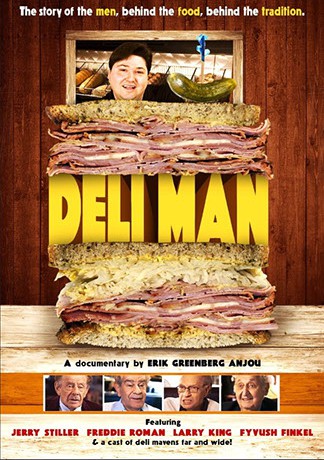
"Deli Man" DVD

Source: Cohen Media Group, delimanmovie.com

Well–that’s it, really. Need I say more? Actually, yes, there are a few new things to say other than to keep recommending that you see Deli Man by getting yourself a copy of it and screening it with all your favorite people who didn’t get to see it last spring.

In the half a year or so since it started showing up in theaters, David “Ziggy” Gruber (the deli owner whose story anchors the film) and director Erik Greenberg Anjou have done a lot of interviews together to promote it–they did one on Fox News Radio early on, and then more recently a long, in-depth interview on YouTube with Judith Gelman Myers, film critic for Hadassah Magazine.

Gruber in particular emerges in these interviews as an insightful observer on modern Jewish food and culture, its history and the history of the restaurant business as a whole. It’s an overtly intellectual and analytical side of him that wasn’t as apparent in the film.

Deli Man focused primarily on his daily life, the stresses and rewards of running a deli, his sense of humor and his gift for schmoozing with his customers. To provide a national context in the documentary, Anjou filmed and cut in interviews with the owners and customers of the historic big-name New York delis, and two or three of the younger generation of deli men from Toronto and San Francisco. Much of the historical perspective and big-picture analysis he assigned to David Sax, Michael Wex, and Jane Ziegler, three prominent authors on Jewish immigrant culture. But Anjou seems to recognize that if he hadn’t divided up the roles in service to the pace and emotional/informational balance of the film, Gruber could easily have taken a seat amongst the trained historians.

Like most of the other deli owners featured, Gruber is not an academic by inclination–too much personality and too little sitzfleisch. As he tells Myers, he knew from a very young age that he wanted to be a cook and from his high school grades he was not necessarily ever going to be college material. He’s underselling himself a little here (well–not in every respect; there are a few moments in the interview where he breaks out and guarantees the audience that if they try his blintzes they’ll be hooked for life, or words to that effect).

But when he gets serious, which is often, the interviews bring out his head for detail and his broad-based perspective on Jewish food culture and the restaurant industry as a whole. These are things he knows a great deal about, both intellectually and as an active participant, but didn’t always get a chance to voice in the film, and which weren’t brought out by the other commentators. You’re suddenly reminded that he did intensive training at one of the best culinary schools in Europe and worked in a Michelin-starred restaurant in France for several years before coming back to the US, and he’s been keeping a keen eye on market trends, business and people ever since.

So the interviews, which might otherwise have been standard pleasant-but-bland film recaps, become much more engaging and worth a listen even if you’ve already seen Deli Man. And doing them in tandem with Gruber is one of the smartest things Anjou could have done.

Another Greek salad

Greek cabbage saladWhen we think of Greek salads here in the US, it’s mostly horiatiki (a version of which is my current favorite lunch)–chopped tomato, cucumber, maybe peppers, some onion, feta and olives. Lahano salata, a shredded cabbage salad with lemon and olives, is less familiar and served, according to cookbook author Rena Salaman in The Greek Cook: Simple Seasonal Food, (Aquamarine/Anness Publishing, NYC ©2001), as a winter side dish–because you always have cabbage available, and lemons are a winter crop in the Mediterranean (and southern California). All you need to add are garlic, parsley, olives and olive oil and you’ve got it. Actually, that really sounds like a perfect summer thing to me.

I picked up a green cabbage today at my local greengrocer’s because it was there, it was cheap, I already had a red cabbage at home for other stuff, and besides, you can’t just hang around your local greengrocer’s picking up seven or eight pounds of fabulously ripe Fresno tomatoes all on their lonesome every couple of days. People will suspect you of becoming a tomatoholic. You need to branch out. And besides, I’d already made a tomato-cucumber-pepper salad pretty much every day for the past two weeks for lunch (as noted above). Not that I’m bored with it, but it gives me permission to do something else for dinner.

This Greek slivered cabbage salad is something I’d had in the back of my mind for half a year or so since paging through Salaman’s cookbook and its gorgeous food photos. But since it’s summertime, limiting the herbs to parsley seems like a missed opportunity when there are so many fresh herbs going wild in my fridge.

Dill, basil, mint, scallions–my current favorite mix for the lunch salad would probably also be good with shredded green cabbage. So I did a variation using those and foisted it on my unsuspecting nearest and dearest, who were both in need of something lighter than usual for supper. It went pretty well and we all agreed it would be a good filler for the salad part of a felafel pita.

I mixed this salad up about an hour before serving and stuck it in the fridge. I realized belatedly that the abundant lemon juice in the dressing would probably start wilting the cabbage, and it did slightly. It would have retained more crunch if I’d mixed it right as we were about to eat, but we still liked it and it wasn’t actually limp, just a little softened. I didn’t think the leftovers would hold up more than a day in the fridge but they did okay and didn’t wilt further overnight–perhaps because I poured off the excess liquid before storing the salad in a snaplock container.

One thing I like about cabbages is that they go a long way. You can take a quarter, wrap and refrigerate the rest and it should stay good for a couple of weeks. You might have to shave off any dried-out cut surfaces the next time (certainly for red cabbage, which also discolors a little at the dried surfaces) but the rest should stay pretty fresh.

Lahano Salata (Greek Green Cabbage Salad, Summer-style)

(Adapted from Rena Salaman’s The Greek Cook: Simple Seasonal Food; ingredient amounts are “use your best judgment”)–for 3-4 people as a side dish or pita filling as a bed for other stuff like felafel or kebabs. If you use a whole head of cabbage as in Salaman’s original recipe, increase everything by about 4-fold or to taste.)

  • 1/4 head of a washed green cabbage (the two outer leaves peeled and discarded, the rest rinsed under the tap)
  • small handful of herbs–a sprig or two each of dill, basil, and mint; parsley is okay too–finely chopped
  • 2 scallions, finely chopped
  • 3-4 pitted Greek-style olives (kalamata, Alfonso, Gaeta…), slivered
  • juice of a lemon or to taste–half a very large lemon was pretty lemony for just a quarter of a cabbage. For a medium or small lemon, taste and add a 3rd half if you think it needs more
  • 1-2 T olive oil

Shred the cabbage finely with a sharp knife and chop into manageable lengths unless you like the shreds long (Rena Salaman’s book had a pretty photo with very long straight shreds, almost like angel hair pasta. She mentions that the cabbages in Greece are different from standard American or northern European ones, so that may be part of it. Ours are curlier when shredded). Add the herbs, scallions and olive slivers, squeeze on the lemon and drizzle on the olive oil, then toss with two forks until everything’s well mixed. You can let the salad soften a little in the fridge for half an hour or so, or you can serve it straight up while it’s still a bit crunchy–it’s good either way.