• Enter your email address to subscribe to this blog and receive notifications of new posts by email.

    Join 241 other subscribers
  • Noshing on

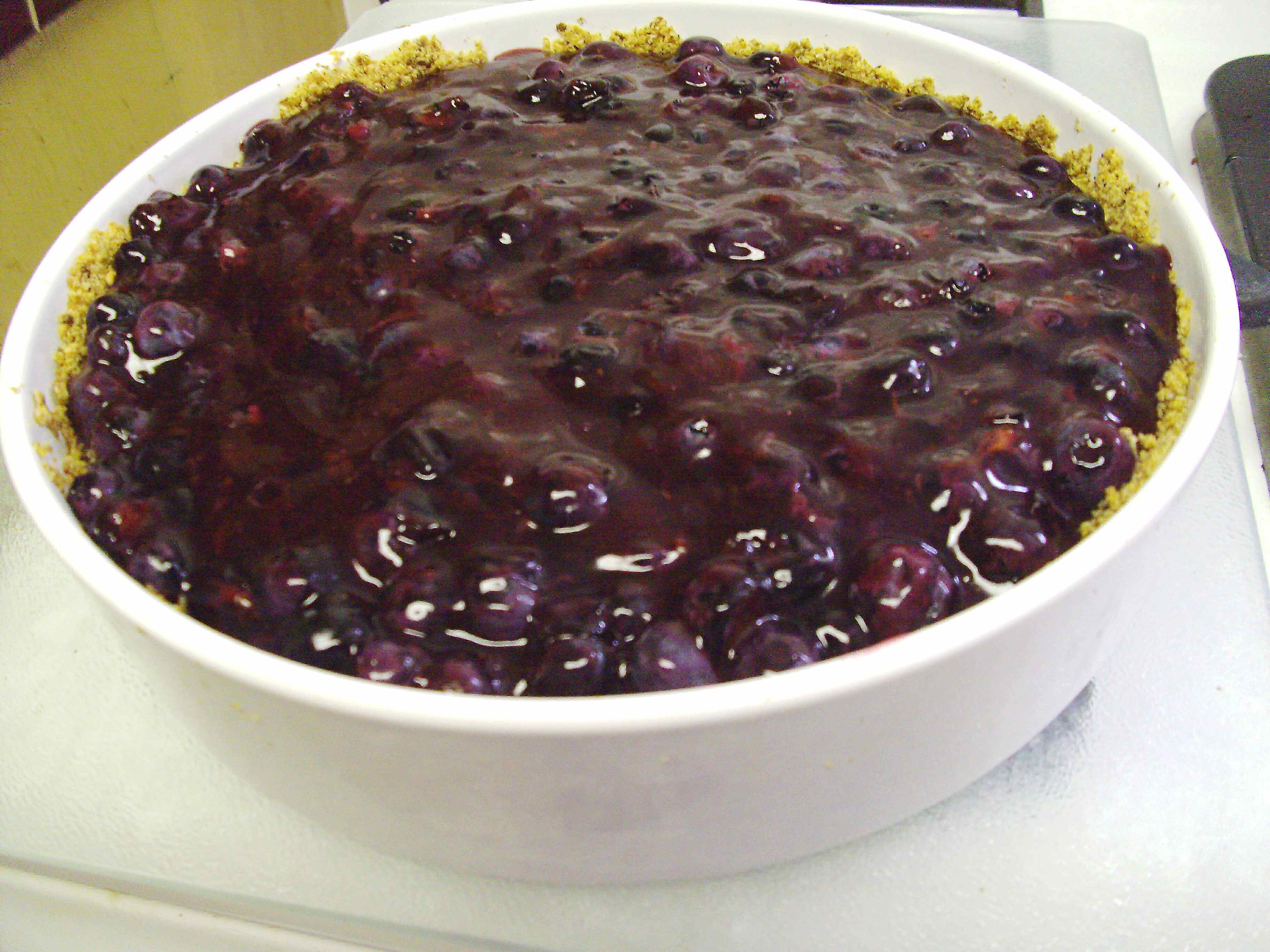
    raw blueberry pie with microwaveable filling and graham cracker crust

    This mostly-raw blueberry pie is a snap to make and very versatile--the filling microwaves in a few minutes, and you don't even have to bake the zippy gingered graham cracker crust--perfect for a hot Fourth of July and all summer long.

  • Recent Posts

  • Contents

  • Archives

  • Now Reading

  • See also my Book Reviews

  • Copyright 2008-2024Slow Food Fast. All writing and images on this blog unless otherwise attributed or set in quotes are the sole property of Slow Food Fast. Please contact DebbieN via the comments form for permissions before reprinting or reproducing any of the material on this blog.

  • ADS AND AFFILIATE LINKS

  • I may post affiliate links to books and movies that I personally review and recommend. Currently I favor Alibris and Vroman's, our terrific and venerable (now past the century mark!) independent bookstore in Pasadena. Or go to your local library--and make sure to support them with actual donations, not just overdue fines (ahem!), because your state probably has cut their budget and hours. Again.

  • In keeping with the disclaimer below, I DO NOT endorse, profit from, or recommend any medications, health treatments, commercial diet plans, supplements or any other such products.

  • DISCLAIMER

  • SlowFoodFast sometimes addresses general public health topics related to nutrition, heart disease, blood pressure, and diabetes. Because this is a blog with a personal point of view, my health and food politics entries often include my opinions on the trends I see, and I try to be as blatant as possible about that. None of these articles should be construed as specific medical advice for an individual case. I do try to keep to findings from well-vetted research sources and large, well-controlled studies, and I try not to sensationalize the science (though if they actually come up with a real cure for Type I diabetes in the next couple of years, I'm gonna be dancing in the streets with a hat that would put Carmen Miranda to shame. Consider yourself warned).

Ganache

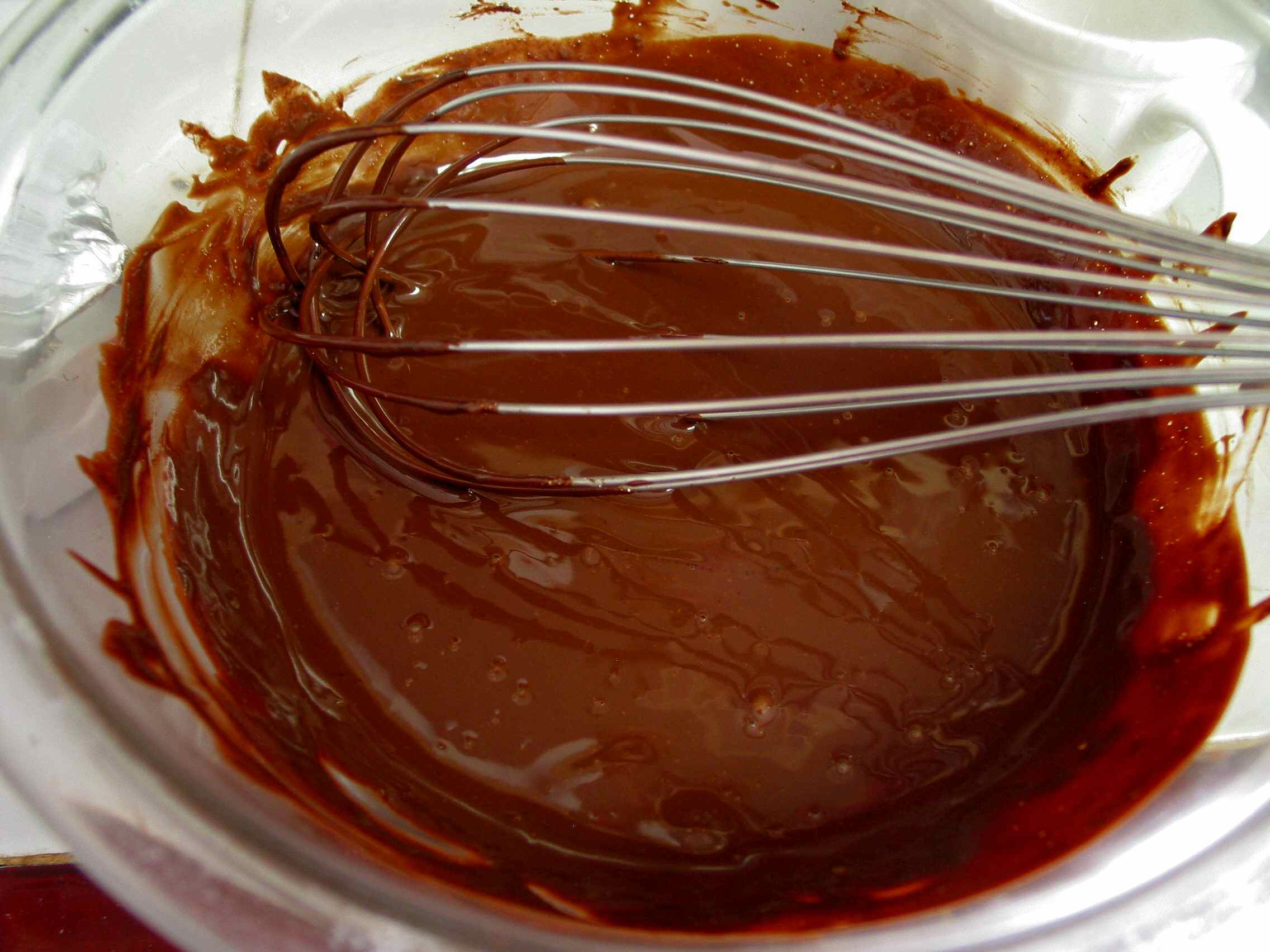
chocolate ganache

Ganache–the most versatile Valentine’s Day dessert in the world–takes about 5 minutes to make. If that.

This post started out being about Valentine’s Day 2013, if you can believe it,  and all the lame, anemic, inferior, chocolate-free pastries being touted in last year’s February food mags–Thomas Keller’s very, very plain beige custard tart without any decoration on it comes to mind as one of the worst offenders. He named it–get this–“Pomme d’Amour”. If you served me that as a Valentine’s date dessert, without so much as a raspberry or a mint leaf on the side, much less a caramelized-sugar top as for crème brulée, I’d be very unimpressed with it and probably with you. Especially at French Laundry prices. I’m not giving the link for it. If you’re genuinely hung up on Keller’s recipes, go away and don’t come back until you’ve convinced yourself that I’m right–a lot of fuss for so much bland. Because…..

Valentine’s was meant to be about chocolate. Or, if you’re very lucky, chocolate sauce. I don’t hear any dissent out there–except perhaps among the lovers of beige food. Takes all kinds…

So anyway, it should surprise no one that I’m late for this by an entire year. And dinner is tonight. In any case, you should know this post has morphed, thanks to time, tide, procrastination that knows no bounds, and my deep, deep love of chocolate ganache (because it is bitter and because it is my heart? Hell no: because it is unbelievably simple and quick and fun to play with and tastes damn good and impresses people who don’t know any better. Why else?)–Ahem! This post has morphed into a couple of ways to impress people who no longer cook. Including yourself if you’re one of those most of the time, and even if you’re not, because tonight you don’t want to spend a lot of time fussing over the food, you want to be taken out to dinner or else, if you’re snowed in, you want something delicious and very quick that takes only very simple, not too expensive ingredients you probably (hopefully) already have on hand somewhere at the back of the cupboard.

As I think I discussed in my post over the summer about the dangers of baking for one’s kid’s bat mitzvah (or other big celebration), many of these lost souls who never cook at all, to my great chagrin, can be counted among my close friends. To the point where making a cake of any kind, even from a box mix, is impressive.

Anyway, irritated by the selections I’d seen in all of last year’s February foodie magazines, I realized that most of my ideal recommendations, that is, the ones that I wasn’t seeing but wanted to, all relied on some form of chocolate ganache or fudge sauce–variants on a shockingly simple recipe. Even the French expert versions are just about this simple–mine’s better because I use a microwave and save washing a saucepan (always key), but the rest is history either way.

If you’re ready to mess around with the proportions until they feel and taste right, you’re my kinda cook. If you’re not, well, just consider that it’s “holiday season” (well, President’s Day, anyway, on Monday) and this is almost a free gift. Seriously, a five-minute (plus a little cooling time) recipe with two or at most five (fanciest variation) ingredients can win you a lot of unearned praise and maybe even a hot date.

All this is merely to point out that, if, like me, you have been tasked with dessert on short notice, you can skip the supermarket frosting horrors if you feel like it (and if your intended audience deserves it) and be amazed (and disturbed) as you flaunt instant and completely fictitious pastry “skills” that–and you don’t have to tell your heart’s desire or any of your friends this–rely almost entirely on some half-and-half and some dark chocolate chips or bars and a microwave. In short, I give you: Ganache.

. . .There is never a completely wrong time for chocolate ganache, except perhaps in the middle of a corned beef on rye with half-sour dills. OK, sorry I mentioned that. . .back to that romantic “cooking” thing. . .  Continue reading

10 (or so) Warning Signs of a Half-Baked Diabetes Cookbook

For the past two months I’ve been scouring the library and bookstore shelves in search of practical guidelines for preventing and managing Type II diabetes with  diabetes-careful meal plans.

I have two goals for myself:

1. Get down to a healthier weight by eating less and exercising more–this is the big one with the best correlation to reversing prediabetes. And it’s going okay but slowly.

2. Eat balanced meals with somewhat less carb per meal, fewer free sugars and fewer calories overall than usual. This is the easier one generally…as long as I keep a food diary. Luckily, I know how to cook and I’ve been doing meal planning for a Type I diabetic child for four years now, so I know how to count carbs. And when I don’t, I have a copy of the American Dietetic Association’s handy, simple and cheap $3 or so guide on the shelf. And a link to the USDA nutrition database for the exotic occasional items like chestnuts in the shell (note to self, about 5 grams apiece).

But I still wondered if the diabetes and weight loss cookbooks I see around are solid and I’ve just been too lazy, arrogant or impatient to take them seriously all these years. Hence the trips to the library.

Because no doubt about it, the diabetes cookbook scene is burgeoning. There are loads of good-looking cookbooks out with pretty, gourmet-looking recipe photos and promises of perfect blood sugar management amid the desserts on the cover.

Here’s the short version of this post: a read through most of these books is NOT encouraging. All the popular diet book gimmickry of the past 40 years seems to have been transferred to a lucrative new target (read: gullible victim) market, complete with bright, shiny new drug company advertising and sponsorship potential on the coordinating web sites.

Considering that there’s no precise required diet for diabetes, just guidelines for budgeting meal carb totals and keeping some kind of commonsense balance between starches, fiber and sugars, even the premise of prescriptive diabetic cooking guides is a little shaky to start with. But what’s actually being presented as guidance in these popular books is far from that approach.

Even cookbooks affiliated with or endorsed by organizations like the American Diabetes Association and so on fail some pretty simple commonsense tests for honesty, accuracy, consistency, or relevance to standard public health guidance on preventing, managing and reversing Type II diabetes by way of diet. And if you don’t already know your way around carb counting and portion size measurement, they’re extremely confusing. Sometimes even on purpose.

So here are the main common flaws I’ve discovered in most of these books, with a few books singled out for personal ire and bemusement. You might want to consider these as warning signs if you’re looking for actual guidance to get you through.

10 Warning Signs that Your Diabetes Guide Cookbook is Half-Baked

1. The Dessert First approach to diabetes management. Telltale sign: does it show cake or ice cream on the cover? About half the books I scanned do. They treat desserts and snacks as a top priority, as though that were what diabetes control is all about. As though sweets were somehow necessary at every meal, or even every week. None of them ever say, “just stick with a small apple or orange most days. No recipe required.” Actual endocrinologists recommend keeping desserts occasional and snacks un-glamorous and limited in carb.

1b. Aside: Many of the dessert-first books show cheesecake on the cover, usually a 1/8 to 1/10 cake portion–a pretty hefty wedge by any standards. This is a come-on–cheesecake is usually high in fat calories, so it’s rarely a good pick for anyone attempting to lose weight (the main strategy for Continue reading

Movie Review: Family, fermented

The New York Times has a review today of a new French film in current release, You Will Be My Son, about an egotistical master vintner in Burgundy and the son whose winemaking instincts he scorns.

I’m thrilled this is going to be in theaters in the U.S., because I saw it last June on the plane home from Montreal, in French, and it was so well acted I thought the airline must have made a mistake–you know, putting in a good movie by accident instead of Alvin and the Chipmunks, various cheap CGI-driven “futuristic thrillers”, all the stuff that went straight to DVD and that you don’t really want to pay Netflix or Blockbuster an additional 5 bucks to see.

Much along those conventional lines, and starkly in contrast to You Will Be My Son, is a wine movie I highly recommend–skipping, that is, and which I also saw on a plane back from London several years ago. Believe me when I say that if Bottle Shock was the “hidden gem” of the selection as the in-flight magazine claimed, the rest of the movies available must have been just unwatchable.

Bottle Shock was supposed to be based on Judgment of Paris, George Taber’s nonfictional account of an upset between Californian and French premium wines in a 1976 blind tasting, but came out looking more like “Daisy Duke Does Napa”. With Alan Rickman thrown in (age 57ish then, and eating KFC onscreen, incompetently) in the role of the 29-year-old wine buff who set up the competition. And the late Dennis Farina, in a pink ascot, substituting for the wine buff’s 30-year-old female business partner. And Sam Rockwell’s ’70s longhair wig was like a bad toupee gone wild.

OK, do go find a clip or so of Bottle Shock (or is it Bottle Schlock?)  for those times when you’re punchy and want something that will give you that entertaining “clawing my eyes out” sense of superiority over an unbelievably putrid movie. With big-name movie stars ™.

No, really, don’t do it. Don’t do it. See You Will Be My Son instead. Part family drama, a little bit thrillerish, twisted and fascinating without any of the American movie must-have cliches, it will keep you on the hook long after you’ve left the theater. And the actors are subtle, intelligent, individual and believable. The whole thing is gripping and so different from the current insipid-explosive American style you’ll want to go raid the library for better-made oldies like All the President’s Men and The Manchurian Candidate.

Only one sour note: Skip the New York Times review itself. In his attempt at selling the appeal, which he didn’t really need to do, the reviewer stuck in a lot of the plot details, to the point where I feel the need for a spoiler alert. You Will Be My Son doesn’t need all that–it’s solidly made and it works well from the beginning. Go see it.

ANDI Scores, Whole Foods, and diet scheme cha-ching

If you’ve taken a walk through your local Whole Foods Market in the past year, you’ve probably seen a stand with purple and green information sheets listing foods in order of “ANDI Top 10 for Produce”, “ANDI Top 10 Super Foods” and so on. Coordinated recipe cards, a suggested shopping list, and an attractive-looking book round out the offering. And the produce and bulk bins sport matching ANDI score labels. It’s a whole system. But is it right, or just another fad?

What is the ANDI Score system, anyway, and who owns it?

ANDI stands for Eat Right America ™’s Aggregate Nutrient Density Index, a proprietary nutrients-per-calorie scoring system that rates for foods from kale to cooking oil and everything in between on a scale of 1 to 1000 points.

The ANDI scoring system started with Dr. Joel Fuhrman, the author of the diet book Eat to Live. On his home page, Fuhrman describes himself as a family physician and nutrition researcher.  His diet, which he calls “nutritarian” (and you can become a nutritarian too by signing up) is a highly prescriptive weight loss regimen that focuses on high-value vegetables and fruits and eliminates most meats, fats and carbohydrates. His evaluation of vegetables as high-scoring and processed foods, meats, starches and so on as low-scoring seems only common sense.

Fuhrman’s site claims hundreds of articles and interviews as well as numerous appearances as a nutrition expert on national TV. The site also prominently mentions his two US Nationals pairs figure skating wins back in the 1970s. Does he need to have that information on there if what he’s promoting is serious, science-based dietary advice? Altogether, the site has a very infomercial feel about it, with lots of testimonials from members who’ve lost over 75 pounds with before-and-after photos. Fuhrman himself looks very fit and tanned and taut-faced–maybe a little too much? Maybe it’s just the heavy pancake makeup that infomercial packagers are famous for plastering on their experts’ faces.

Eat to Live is a popular book. Fuhrman’s Kindle edition of Eat to Live is the #700-ranked download on Amazon.com. His web site has something on the order of 4000 subscribers, whose questionnaire responses he mines for some of his journal articles. According to one of the journal papers, his audience is about 65% female, 71% married, the largest proportion college-educated with household incomes over$100K.  (At this point, I thought, bingo, the perfect infomercial audience. This is clearly a commercial diet with legs. But wait, there’s more…)

Ahem! Enter Eat Right America, a company started by a businessman who became a fan of Dr. Fuhrman’s. The founder figured there must be a good way to automate the multi-nutrient density calculations for a wider variety of foods and developed a proprietary algorithm based on nutrient values in the USDA’s NAL database. What makes the ANDI algorithm attractive, the company says, is that they weight these calculations per calorie, not per serving. Finally, they claim, you’re getting the “right” comparison of nutrient density for the calories.

But a closer look at the the diet and menus offered on both the Eat Right America and Fuhrman web sites raises a few warning flags. Scan the ingredients list in the Eat Right America 3-day sample menu and you see frequent uses of high-priced fruits, vegetables and grains like quinoa (no surprise there about why Whole Foods might be happy with the shopping list) as well as some trendy and expensive ingredients that don’t sound all that nutritious. Dates? Avocado? Coconut?  Sun-dried tomatoes? Cashews–one of the lower-fiber and more expensive nuts, incidentally. Those are usually extras, snacks, not staples, even in a vegan diet.

More seriously, the menu designers seem to have a penchant for bottled carrot juice. They put 7 whole cups of it in a bean stew that feeds 10. Now, carrots, whole carrots, are fine raw or cooked into a stew. They have fiber and vitamin A and in whole form are relatively low-carb as well. But juice them, and you filter out the fiber. You concentrate the vitamin A and carotenoids about 3-4-fold, well beyond the RDA–risking vitamin A overdose–and you concentrate the sugars. What would ordinarily be a bean and vegetable soup with a reasonable amount of carb per serving–about 15 g per half cup or 30 g for a full cup–quickly rises, with the addition of a big 7-cup dose of carrot juice in the pot (NB also much more expensive than plain carrots) to 75 grams. That’s the amount of carb my diabetic daughter would figure for an entire holiday meal that includes a decent-sized slice of cake or pie.

Some of the Eat Right America recipe nutrition counts look like the ingredients as listed don’t quite account for them. The carb is high–occasionally the sodium doesn’t add up right either. And the overall protein is low. In the vegan versions on Fuhrman’s site, which prescribes a six-week starter regimen of a pound of vegetables a day, a pound of fruit, and a cup of beans, the protein is also incomplete or close to it. No grains, and no dairy or meat or fish. No tofu. Avocado and flax seed, two darlings of the vegan world, are recommended to supplement the caloric intake so you don’t lose too much weight (which I thought was the point, but maybe not for a whole six weeks at a time).

All these recommendations flow from the ANDI scores of the food and produce some logical puzzles. Somehow, you never see plain tofu or fish or cheese or yogurt. Apparently they don’t score as high as avocado. How is this possible? Isn’t avocado pulp high-fat and not too exciting as a vegetable?

So the next thing to check–is the ANDI food-rating method right? If you’re judging solely on the micronutrients list, which is what Eat Right America claims to be weighing into its ANDI scoring formula, no it isn’t. Continue reading

Stuffed onions in a hurry

Stuffed onions ready for steaming in the microwave

With a microwave and a frying pan, you can make stuffed vegetables like Mehshi Basal quickly, and they taste even better than with long roasting. These are just rolled and ready for a few minutes of steaming in the microwave.

Just after Rosh Hashanah I posted my first-ever attempt at an elaborate Syrian Jewish dish of sweet-and-sour stuffed eggplants with quince, and because I had more stuffing than I needed, I went for seconds with Aromas of Aleppo on the spot and tried out the Mehshi Basal, or stuffed onions with tamarind sauce, which was actually even better. It was easier to put together and I was patting myself on the back when we tasted the results.

Still, given that I was using a lentil stuffing in place of ground beef, I was a little dismayed at how long the traditional braising and roasting took to cook the onions all the way through–an hour and a half at least, and that was after stuffing them. A second attempt in November, this time exclusively with stuffed onions for a congregation brunch, did no better on time, and I came away thinking that roasting was an extremely inefficient way to cook these–might even have toughened them inadvertently.

Why, you have to ask, should I make such a big deal about stuffed onions–they’re a party trick, after all, not standard cooking. But we discovered we really liked them, and they’re a pretty good kind of party trick. They were a surprise hit at the brunch. If I hadn’t snuck myself one while setting up in the kitchen, I’d have missed out altogether.

Actually, I think they fascinated everyone as much for the magic trick as for the flavor. People who’d never tasted them before kept coming up to me–and even my daughter–to ask, “How do you get the filling into the onions???”

If they hadn’t been so time-consuming I could have made double the amount and they’d still have disappeared. Or I could throw them together easily just for us on the odd weeknight as a treat–but one with some iron and fiber in it–instead of the standard pasta or rice.

So in the time since, I’ve finally rethought the process and come up with something that requires no oven time and cuts the actual cooking after stuffing them down to about 20 minutes or so–as long as you already have some cooked lentils (microwaved to perfection in about 10 minutes of cooking time and 30-4o minutes of standing time) and tamarind sauce (or “mock tamarind” sauce, a 5-minute microwave-assisted blend of prunes and/or apricots with water and some lemon juice, plus-or-minus tomato paste, applesauce and other flourishes you don’t really need for this) to hand.

I know, you probably don’t have these things sitting around. But this recipe might change your mind. Lentils are good stuff even on their own, and the stuffing here is a knockout.

Even genuine tamarind sauce isn’t so bad anymore, assuming you don’t or can’t just buy a prepared concentrate. I’ve sped the process up from an hour-plus to a few minutes just by nuking it, pulsing in a food processor, and this time, neither filtering it quite so aggressively as I did back in September NOR bothering to boil the stuff down to a sticky residue. It’s so much less painful, and I think it even tastes better, with more of the fruit character left in. See my notes at the end of the post for how to do it the quickie way (in modest jam-jar quantities, not quarts).

Anyway, back to the stuffed onions. I’m actually proud of myself for this one, and I’ve tried it three times in a row so I can vouch for it–the last time, I put my daughter to work stuffing the onion layers, and she did a great job.

For this method all you need are a microwave oven, a frying pan and a food processor. Instead of boiling the onions for 20 minutes to separate the layers, you microwave them in a drizzle of water for 5. Instead of braising the stuffed Continue reading

Superfoods and Magic Beans

“Top 10 (or 7, or 5, or whatever) Superfoods” lists seem to be popping up on the covers of all the in magazines this month. If I didn’t get a headache every time I tried it, I’d be rolling my eyes.

The classic bloated diet article with the even more classic bloated promise of magic beanhood is nothing new, I realize. But “superfoods”…

The premise of calling something a superfood is that if you eat this one special food, or at least shop your way down the list of 5, or 10, or whatever’s in the article, you’ll be so much healthier than someone who eats a regular food. Right?

Usually the items on these lists of so-called superfoods turn out to be expensive exotics like dried acai berries and pomegranate juice. Both of which just happen to have heavyhitter funding and marketing efforts behind branded packaged versions of them, and the companies that have started branding and marketing them have both recently come under FDA scrutiny for overinflated and unsubstantiated health claims.

Of course you don’t have to go branded to run into wide-eyed, breathless claims about supposed superfoods. More mundane choices like the sunflower seeds, green peas and garlic touted in this LA Times food section article are also now being highlighted as the new great green hope for America.

But not for the reasons that make the most sense–that these foods are relatively unprocessed vegetables, fruits, whole grains, nuts and seeds (occasionally someone remembers to add something from the beans and pulses category too). All of this vegetation has almost disappeared from the current mostly-processed, mostly restaurant diet of the American public. The general categories now touted as superfoods contain protein, fiber, vitamins and minerals. They’re wholesome and varied if you buy them fresh (or dried) and cook them yourself. Some of them are green (and they’re supposed to be!)

That’s in stark contrast to the now-standard and really dreary burger, ketchup, fries and soda that are all made out of the same three or four overused industrial ingredients (wheat, soy, corn and salt, with a little beef scrap or so thrown in for the burger, some leftover tomato paste for the ketchup, and much less potato than you’d think in the fries). I understand how something that’s actually recognizably plant-based would seem exotic and ultrahealthy in comparison. I do. Because frankly, you could take your soy-based green crayons and color a piece of all-natural bamboo-fiber cardboard and eat that and it would be healthier than the fast food special.

But does that mean vegetables, fruits, whole grains and nuts and seeds are suddenly superfoods?

What are superfoods supposed to be, exactly? Look at the captions for what’s so great about each featured food Continue reading

The Cheap Vegetables–Snack Edition

A food marketing study released findings a few days ago about the top 10 fastest growing snack food preferences for kids 2 to 17 years old. Yogurt came out as number one, then potato chips, then–very surprisingly to me–fresh fruit. The others down the rest of the list were a soggy but predictable mash of candy, chips, “donuts” [sic], and other junk foods, though I think cheese cubes were in there somewhere. If yogurt and fresh fruit are in the top three, though, the news must be good, right?

Um. Maybe. But both of them are sweet or sweetened (in the case of most flavored yogurts, very heavily sweetened compared with plain)–so they kind of fit in with the candy, donut, carb-carb-carb kinds of snacks in the rest of the list.

What’s missing from the top 10 list? Plain milk, pasta or beans, bread and jam, the simpler unpackaged, unprocessed, or unbranded stuff you could bring from home, are all missing. But most of those are hard to take to school, and none of them are crunchy, which is a big part of the pleasure of snack. Actually, few of the packaged snacks are crunchy any more either. It’s a sad state of affairs, but there is a simple way to restore the full joy of snacktime.

Because mostly what you don’t see on the marketing study list are vegetables. Raw, crunchy vegetables, low in calories, starches and sugars, fats and  sodium, are high in potassium and fiber and vitamins, easy to prepare (another chorus of “just wash and nosh”) and perfect for snack. A handful of red cabbage or a couple of carrot or celery sticks along with a piece of cheese or a few nuts will keep kids from hunger for a lot longer than the carb-laden snacks on that list, and they’re a lot less expensive–on your wallet or your kids’ waistline.

Parents at school complain all the time that vegetables are too expensive, too time-consuming, take too much preparation by hand, and are not convenient to deal with, and their kids “won’t eat them”. But I wonder if that’s true, because whenever I go at lunchtime, I see many of those same kids enjoying the vegetables that come out of the school garden. They aren’t whining and they don’t appear to be suffering, and nobody seems to be sneering at anyone else that their lunch has Brand A taco chips and all the other poor schlub’s mother packed was vegetables. They’re all waving broccoli or lettuce leaves around, holding them up for comparison, and using them as props for one or another comic performance before chomping into them with savage glee.

And I know an ordinary bunch of celery–even a head of cauliflower–is the same price or cheaper than an econo bag of Doritos. Even at the big brand supermarkets. Celery. Carrots. Red or green cabbage. Raw green beans or if you’ve got the extra cash, snow pea pods. Broccoli or cauliflower. Lettuce wedges. Tomatoes. Cucumber. Bell pepper. None of these are hideously expensive, all of them taste good raw, and all of them store well washed, dried gently, and kept in the fridge.

So what’s stopping the parents from packing vegetables as lunchbox fare? The fact that they have to wash them to get the dirt off? Get their hands wet doing it? Maybe peel some of the vegetables? Find a knife to cut them up with? Use them up within a week or so of buying them? I honestly don’t know, but a lot of the parents seem whinier than their kids. Maybe they should all learn to just wash and nosh.

It only takes a minute or two to deal with a full head of broccoli or cauliflower, or a bunch of celery, and it’ll last you several days’ worth of school and work snacks at a cost of under $2. The most prep required is for carrots, if you start with an actual bunch. Not that I’m advocating the prepacked “baby cut carrots” bags, which are more expensive, but if you really hate peeling and cutting up carrots, you could go this way and still do better than chips and snack packs and the like.

All I can tell you is, if the vegetables are fresh and crunchy, most kids will get into them as long as their friends are doing it too, and there’s no great way to overeat them (except maybe for carrots). And some vegetables are just plain fun–red cabbage in particular is handy for revealing secret invisible baking-soda messages, and if your kids eat it at recess they can compare purple tongues with their friends afterward.  Can’t do that with taco chips.

A Year of Artichoke Hearts

“Top 10 Recipes” lists are a big thing at the new year, a way to look back and figure out which dishes made a hit and which ones were just so-so. But sometimes, after an entire year, the top-10 judging criteria can get a little distorted. How do dining section editors compare five quasi-Asian stir-fried noodle-and-greens dishes, most of them mysteriously pumped up with bacon crumbles (2009’s star ingredient), and decide all five really belong in the top 10 for the year?

In one of my early posts, I was thinking about toasted cheese sandwiches (grilled cheese, hard to believe, was a Top 100 Dishes entry for Bon Appétit at that point). At the end, I threw in a quick little recipe for marinated artichoke hearts done in a microwave as an antidote to all the middle-American boredom. Yesterday I ran across an artichoke and potato salad from the LA Times‘s 2009 top-10 list and realized my artichoke hearts would probably make it better. Because they make everything better, or almost.

Marinating your own artichoke hearts takes five minutes, is less expensive than buying a jar of prepared ones, tastes fresher, and has a short list of real ingredients. A ~12-oz batch lasts more than a week in the fridge, where it’s  ready to serve as a pick-me-up for sandwiches, pasta, fish, omelets, salads, and hot vegetable dishes. I use these artichoke hearts so often that whenever I get to my Trader Joe’s and they’ve run completely out of bags of plain frozen artichoke hearts in the freezer and won’t get any in for weeks, I feel horrible and deprived, like someone who’s just been told not to talk with her hands.

That puts it in MY top 10.

You don’t need more than a dash of salt in this recipe to make the artichoke hearts taste intense and bright. The fresh lemon juice and garlic do it for you, and something about the artichokes themselves makes the combination work. Continue reading