• Enter your email address to subscribe to this blog and receive notifications of new posts by email.

    Join 241 other subscribers
  • Noshing on

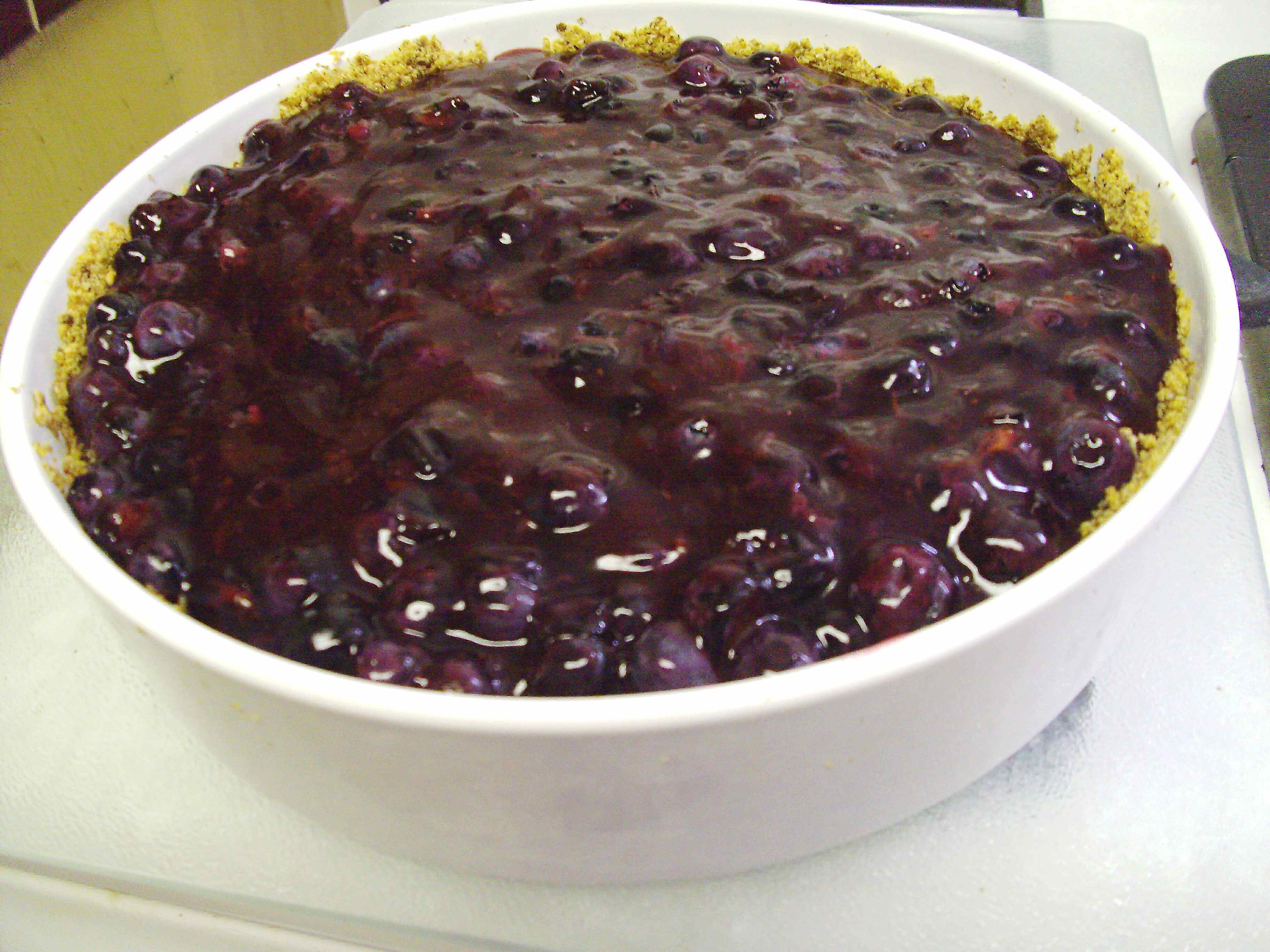
    raw blueberry pie with microwaveable filling and graham cracker crust

    This mostly-raw blueberry pie is a snap to make and very versatile--the filling microwaves in a few minutes, and you don't even have to bake the zippy gingered graham cracker crust--perfect for a hot Fourth of July and all summer long.

  • Recent Posts

  • Contents

  • Archives

  • Now Reading

  • See also my Book Reviews

  • Copyright 2008-2024Slow Food Fast. All writing and images on this blog unless otherwise attributed or set in quotes are the sole property of Slow Food Fast. Please contact DebbieN via the comments form for permissions before reprinting or reproducing any of the material on this blog.

  • ADS AND AFFILIATE LINKS

  • I may post affiliate links to books and movies that I personally review and recommend. Currently I favor Alibris and Vroman's, our terrific and venerable (now past the century mark!) independent bookstore in Pasadena. Or go to your local library--and make sure to support them with actual donations, not just overdue fines (ahem!), because your state probably has cut their budget and hours. Again.

  • In keeping with the disclaimer below, I DO NOT endorse, profit from, or recommend any medications, health treatments, commercial diet plans, supplements or any other such products.

  • DISCLAIMER

  • SlowFoodFast sometimes addresses general public health topics related to nutrition, heart disease, blood pressure, and diabetes. Because this is a blog with a personal point of view, my health and food politics entries often include my opinions on the trends I see, and I try to be as blatant as possible about that. None of these articles should be construed as specific medical advice for an individual case. I do try to keep to findings from well-vetted research sources and large, well-controlled studies, and I try not to sensationalize the science (though if they actually come up with a real cure for Type I diabetes in the next couple of years, I'm gonna be dancing in the streets with a hat that would put Carmen Miranda to shame. Consider yourself warned).

Local, organic and forgotten field hands

Darra Goldstein’s editorial in the Fall 2010 issue of Gastronomica calls out the schism between the “local, organic” righteousness of wineries and customers and the forgotten field workers they still exploit in the process. Worth a read, even though Goldstein doesn’t get quite far enough to suggest a solution or call for renewed political attention.

Gastronomica | Fall 2010 | Volume 10 Number 4.

The Dirty Roots of Veg-phobia

In one of my favorite Doonesbury cartoons, a very old one from the early 1970s when hippies still had a trace of hip about them, it’s Zonker’s turn to cook dinner, and he serves his housemates a big bowl of salad.

Mike Doonesbury peers into the bowl suspiciously and says, “Hey Zonker, the lettuce is dirty!”

“Yes, but it’s clean dirt! Ecologically pure dirt! No chemical additives–you’ll love it!”

Mike and Bernie opt for McDonald’s.

Somehow, though, the way they agree on it suggests the understanding of the early 1970s: McDonald’s was cheap, it was easy to find in your town, but it wasn’t really dinner, it was what you did when there was nothing decent in the fridge.

For decades now, government health agencies, the American Cancer Society, the American Heart Association, and whole parades of morning talk show guests have been advocating that Americans eat at least five servings of fruits and vegetables a day, and juices don’t count. The studio audience members, mostly soccer mom-looking women, only with impeccable makeup and pristinely unwrinkled clothes, bob their heads on cue at this wisdom.

But nobody’s gotten serious about how veg-phobic most people suddenly become when they actually approach the vegetable aisle in the supermarket, and no one’s taking enough pictures of what’s really in the fridge or on the cutting board most nights in most houses. All I can say is that many, many of them, if they buy vegetables at all, buy prepared or precut vegetables instead of bulk. Why?

Bulk vegetables–a whole head of cabbage or lettuce or broccoli or cauliflower, a bunch of celery or carrots–are bulky. Heavy. Hard to lift and hard to maneuver into those thin plastic produce bags.

They’re also round. They take up a lot of space in the refrigerator. They don’t stack neatly and they don’t necessarily fit into the shallow, measly vegetable drawer that comes with today’s Lean Cuisine-friendly slimline refrigerators.

They require washing, and here I wonder if we’re getting to the part people are most squeamish about. There’s…there’s (I can’t say it) … there’s DIRT on them!

Why washing it off scares people so much these days I have no idea, but maybe it’s all that liquid hand sanitizer and overly perfumed liquid hand soap that have poisoned the atmosphere this past 10 years or so. When your soap company can convince you to buy watered-down soap in a decorator squirt bottle, your friendly produce-packing plant can probably sell you overpriced broccoli florets in a small plastic bag.

“But it’s organic! But it’s vegetarian!”

Vegetarian and organic foods are gaining popularity in supermarkets around the country–it’s been happening for at least a decade. Vegetarian- and organic-seeking customers assume they’re getting something closer to fresh if it’s labeled vegetarian or organic, and most of them also assume that vegetarian automatically means healthy. So, apparently, do nutrition researchers when they’re not really thinking hard enough.

The American Dietetic Association recently announced–again, updating from 1997–that vegetarian and vegan diets can be healthful at all stages of life from infancy onward and posted suggestions for getting started. Keyword here is “can”.

The idea of easing into a less-meat diet in stages by cooking familiar foods and familiar ingredients as far as possible is understandable. The Vegetarian Nutrition practice group of the ADA is trying to reach people they think are likely to panic at the suggestion of not eating meat. Unfortunately, the suggestions that top the list are mostly for processed meat substitutes, jarred pasta sauces, canned beans, boxed rice mixes and the like, rather than a dietary framework for eating fresh whole-ingredient vegetarian foods.

In the health section of the LA Times online, where I first read about the ADA’s statement last week,  many reader comments objected to this approach primarily because the major brands of veggie hot dogs and hamburgers tend to have long, improbable ingredient lists and very high salt. After a casual tour of the sauces-soups-and-rice-mixes section at my local Whole Foods, it’s an objection I second even more strongly.

For several years now I’ve had reservations about the processed food industry’s tendency to throw salt at anything and everything. Vegetarian and organic food is supposed to be better. Fresher, better-tasting, realer, more nutritious, healthier, more responsible for the planet, the animal world, and the customer. In a word, BETTER.

Nice intentions aside, most of the vegetarian and organic products companies these days seem to be trying as hard as they can to keep up with or even surpass the meat-eating Joneses–the big-brand pantry staples from Stouffer’s, Swanson’s, Kraft Foods, Campbell’s, and so on.  They’re still claiming the health and planet virtues of vegetarian and organic, but they’re actually processing the hell out of their foods, adding all kinds of laundry-list mystery ingredients, and salting them out of all reason. And health-and-planet-conscious consumers are flocking to them without bothering to look hard at the nutrition labels. How have we come to such a pass? Continue reading