



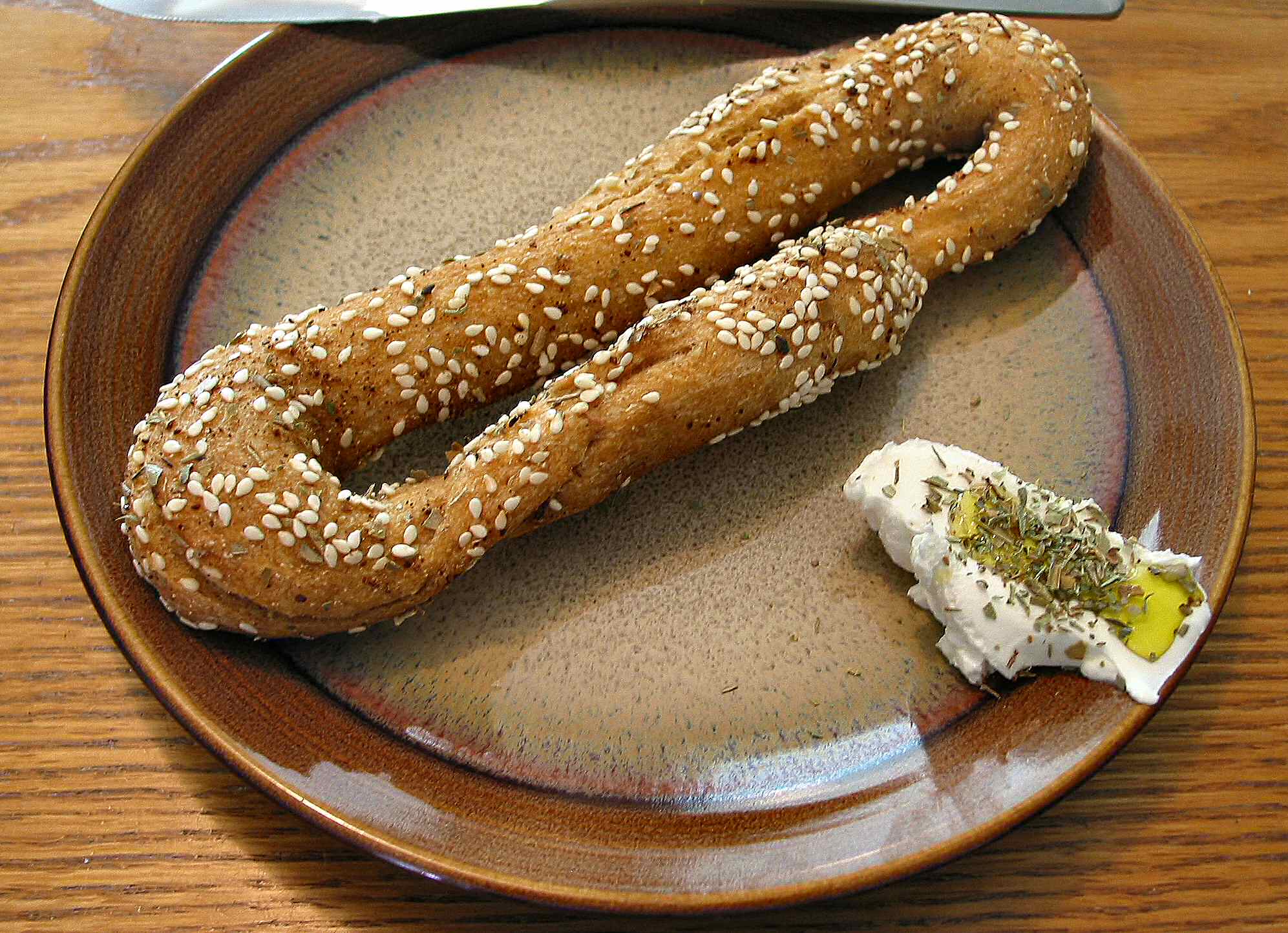
It’s been a couple or three weeks since my last post. I am currently in the desperate process of using up as much hametz, which is flour-yeast-bread-beans-lentils-rice-pasta-fillo-dough-oatmeal-etcetera, as possible before Passover. Right after Purim I discovered I still had about 5 sacks of dried beans and lentils cleverly saved up and a sack of whole wheat flour and a 2-lb. bag each of bulgur AND farina! And a pound of wild rice. And a new bag of soy flour. Most of all which I couldn’t donate to the food shelter because it was either bulk or partly opened. Yeesh. What’s a girl to do?
Well…we’re certainly going to find out in the next couple of posts, aren’t we?…Even my suddenly-vegetarian daughter–yes, the very same one who kept bugging me about why I wasn’t cooking enough chicken for her last year–is wondering whether she has the stomach for more black bean burritos in the next two or three weeks (her conclusion: as long as there’s chipotle salsa around, what’s the problem?) My husband is looking at both of us cross-eyed.
Okay, then. Project #1 (well, after the pot of black beans, anyway; those were pretty standard and don’t call for a post): bread.
Long, long ago, in a kibbutz kitchen far, far away, I made some bread for my parents, who were coming to Israel for a visit during the year I was there. December in Israel–drizzly and cold some days, bright and cool others. You never know what you’re going to get.
But I’d missed my parents dearly for half a year. To celebrate seeing them I had in mind something like one of the blackish poppy-filled strudel I’d seen in a Romanian bakery in the middle of Haifa’s downtown “Hadar” shopping district amid the felafel stands and bookstalls. Only I wanted something not sweet, and with a better dough. A savory bread, like a bialy but with poppy seeds. So onion and maybe a little parsley or dill, now that I’d worked in the side kitchen for 5 months and knew the Hebrew names for both herbs.
I decided on a basic bread dough, flour-water-yeast-salt with a bit of oil. I rolled it out flat into a long rectangle and filled it with chopped, fried onions, parsley, dill, thyme and salt (it actually had too much salt, to my embarrassment, but my mother loved it anyway) and a couple of handfuls of poppy seeds. Then I rolled up the column of bread, twisted it around itself into a longish double rope, glazed it with egg yolk and baked it. It was pretty good and looked impressive. And it was really easy. My mother ate it all week sightseeing while my dad was at his conference.
Those days are gone, but a recent trip my husband took brought back the memory along with a couple of loaves of multigrain herb bread from a traditional German bakery he discovered in Tehachapi. The breads lasted an entire week at room temperature (of course, our humidity’s so low in Pasadena that this may be an exception) without seriously high salt in the dough, and every time we passed the dining room table, the aroma of dill and thyme and scallions and sourdough made us want to tear off a chunk to eat just as-is.
Two weeks ago was Purim, the feast of lots (as in drawing lots to determine someone’s fate, not lots as in lots-of-hametz-to-use-up). It’s the holiday from which we get the term “the whole Megillah”–the Megillah being the Scroll of Esther, a long Scheherezade-style story set in Persia and very long to read out loud in one sitting to a large congregation while they cheer the heroes and boo the villain (also Scheherezade-style, it’s the wicked vizier–am I giving anything away? It’s always the wicked vizier, except when it isn’t. And did I mention it’s kind of long? Okay, then).
So anyway, I decided to make some of this scrolled bread to give as Purim shalachmones–food baskets sent to friends, but didn’t get that far this year. Hamantaschen was about the limit of my ability, since it’s also get-your-kid-into-a-decent-school-for-next-year lottery time.
Usually these days the mishloach manot (same term, without the Yiddish accent) are candy bars, bagged snack foods, and maybe some raisins or an orange to round out the “3 different foods” custom. Occasionally you still see hamantaschen but the junk food factor has really taken over very sadly, I gotta say, even if it’s Israeli junk food. I mean, okay, felafel-flavored Bisli is fun once, but it’s really not much better than Cheetos, except that the wrapper is a good exercise for my daughter’s Hebrew reading skills (especially once she figured out which word meant “carbohydrates” on the nutrition label).
Nobody on the west coast even makes poppy seed hamantaschen anymore, to say nothing of prune lekvar filling, the two classics of my childhood. It’s a cultural deterioration I aim to remedy. Maybe next year–but for now, this weekend, with a container of poppy seeds still in the freezer, I’m thinking about making the bread, since it’s delicious, also involves poppy seeds and is unlike anyone else’s. And because I have flour and yeast to use up before Pesach, which is now right around the corner.
So I started pulling the flour off the shelf and realized I’d used up all the bread flour for hamantaschen but I still had a good 3-4 pounds of whole wheat, which wouldn’t make a good bread all by its lonesome. And on the other hand, I had both bulgur and farina–bulgur for tabbouleh or a wheat version of polenta, but farina–2 pounds of it. Well…it’s wheat and fairly fine. Maybe if I ground it up a bit further in the coffee grinder? I did, though the end result seemed less than convincing that I’d made any difference in it at all. Still pretty grainy. Dumped it into the food processor anyway along with an equal amount of whole wheat flour, some yeast, a little salt, and enough water for a fairly stiff but elastic ball of dough once it was processed.
The dough was pretty heavy to lift out and the farina absorbed a lot of water but it did seem to be developing some stretch, at least. I let it rise overnight in the fridge and started testing it out the next day. Continue reading
Filed under: baking, breads, cooking, frugality, Grains, Revised recipes | Tagged: artisan breads, baking, beigele, farina, flour, hametz, semolina, sesame, simit, solet | Comments Off on A Handful of Farina Breads
 Slow Food Fast