


Marijuana use is being legalized–or sought out for legalization–in an increasing number of states, despite the federal government’s stance against it. The key argument in favor is a plea for the well-being of those whose terminal or debilitating illnesses–or the drug regimens for treating them–cause pain and nausea that respond better to marijuana than anything else on the market.
But who’s fooling whom? Along with the increase in legalization and dispensaries comes a host of new products to capitalize on the expanding market: candies, cakes and other sweets laced with tetrahydrocannabinol (THC). You can’t tell me that’s exclusively, or even mostly, for medical use.
And–no surprise here–most of them are being mislabeled.
Marijuana is not a well-characterized, easily dosable drug. It’s a whole-plant or at least whole-leaf drug, with hundreds of chemical compounds in both the leaves and the smoke. Even THC, its primary active ingredient, appears difficult to measure and dose correctly given that its signal effect is a general distortion of sensory perception and mental function, not stimulation or blockage of a specific molecular receptor or other well-defined cellular target.
Given the vagueness of both dosing and effect, it’s not really a surprise that standardization and labeling are still inaccurate at best. Which is now a relevant issue: if you’re going to call marijuana a pharmaceutical in order to get it legalized, you’re going to have to treat it by the same standards and be able to quantify it. That could be a challenge–especially given the professionalism and laboratory expertise with which it’s typically handled.
The current attempts are not particularly encouraging, if a recent article in the Journal of the American Medical Association is any indicator. About 75 percent of the product labels are off; 15 percent or so underestimations and the rest overestimations of THC dose per serving.
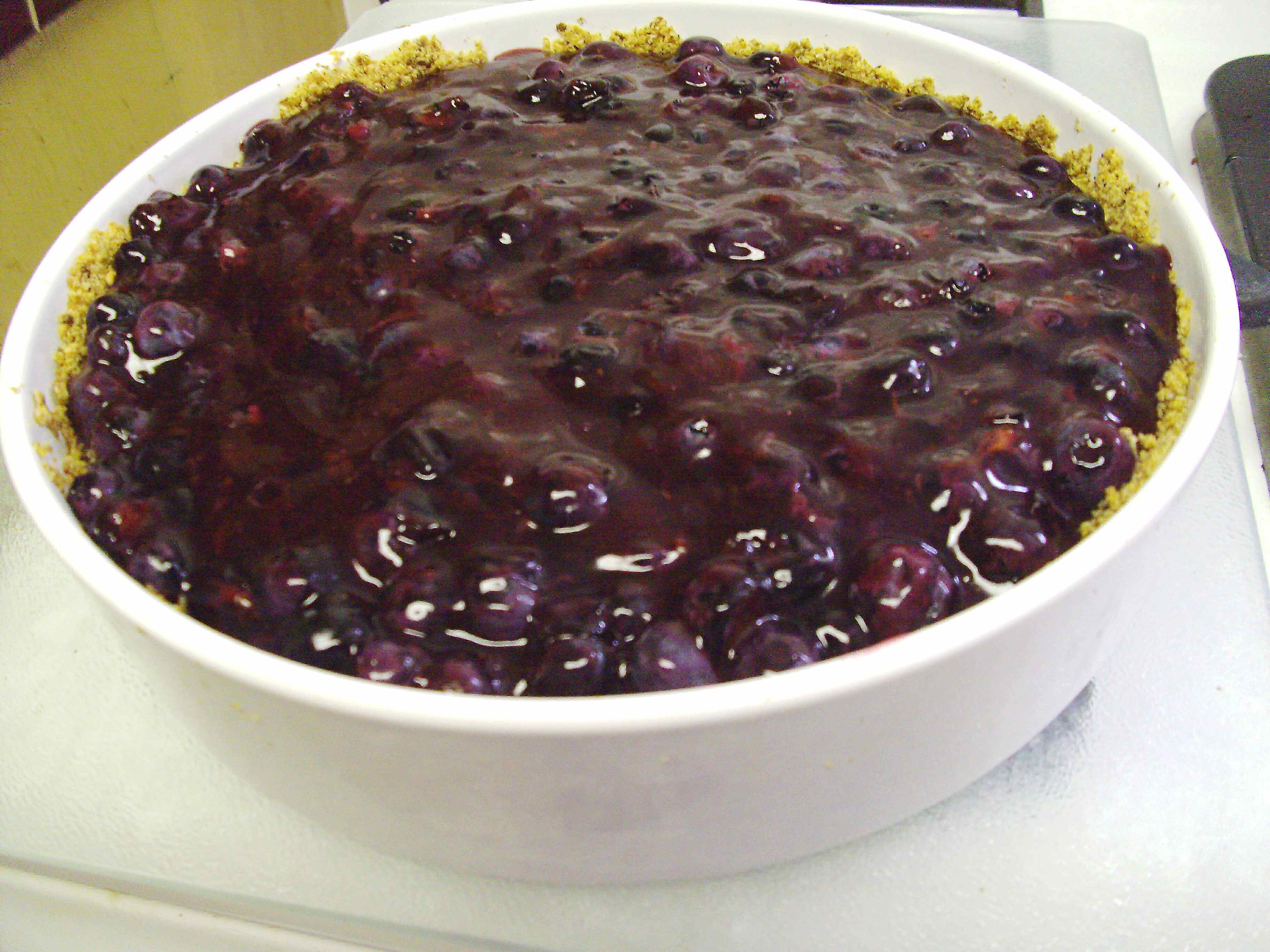
Add to that the products themselves–pink and green-colored pound cakes (at least as shown in the article in The Scientist). Who but a stoner–or worse, a little kid who happened upon them–could find those appetizing, even without the added attraction?
And you can see the key problem here–it’s bad enough that people who take marijuana in any form are likely to get the munchies and be completely indiscriminate about what they eat while high. It’s a lot worse if the food available is also laced with yet more THC. Or if an adult buys a colorful cake product and leaves it where a kid can get at it.
And yes, I am being intentionally insulting about it. I’ve worked as a lab tech in pharmacology and natural products research labs and interviewed numerous experts in pharmaceutical and diagnostics industries as well as medical and forensic toxicologists. It’s time for the marijuana legalization proponents and industry to grow up, pull up their socks, and stop potschkying around. Or sampling their own wares.
If you’re serious about treating THC as a respectable therapeutic pharmaceutical, and not just a recreational drug accompanied by a wink and a sheepish laugh, then put up or shut up. Treat it as a proper drug and keep it in a recognizably unappetizing drug form–a plain pill would do–and make sure the dosing is precise and minimal. And that access is limited to patients who actually need it and that the effect is genuinely beneficial. That requires clinical trials.
We don’t put methotrexate or doxorubicin, two of the major chemotherapy drugs, in candies for cancer patients. We don’t put morphine or antibiotics in cake or leave them around casually on a kitchen counter. There’s a serious reason for that.
[Note: I’ve turned comments off for this post, not because I don’t usually welcome comments–and even arguments–but because the ones I’ve seen so far appear to be using the opportunity to recommend their preferred homebrew remedy–not really relevant to the question: “Do drugs belong in cake?”]
Filed under: Food Politics, Odd food, unappetizing | Tagged: drugs, edible marijuana products, food poisoning, marijuana legalization, pharmaceuticals in food, THC | Comments Off on What not to put in your cake


 Slow Food Fast